
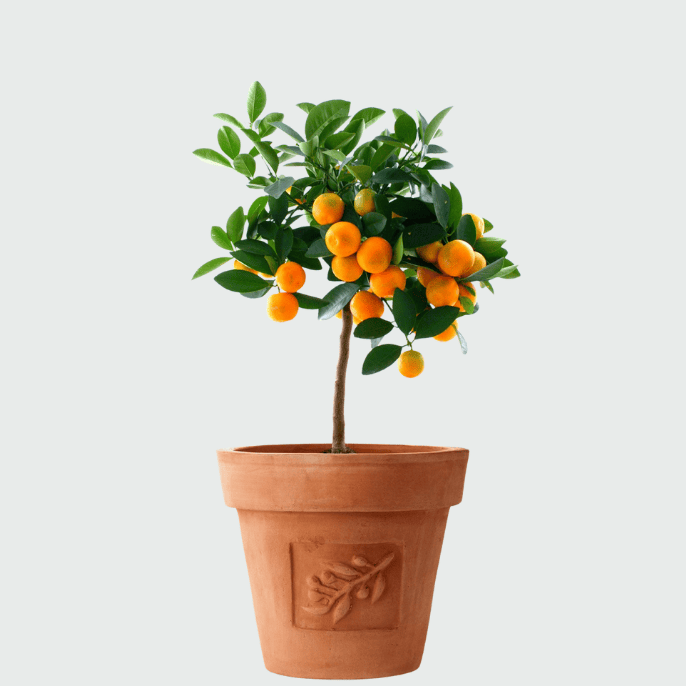
Choosing Your Orange Fruit Plant
The first step is selecting the right variety for your climate and space. For warm, frost-free regions (USDA zones 9-11), standard trees like the flavorful ‘Valencia’ or seedless ‘Navel’ are excellent. For cooler areas or indoor cultivation, dwarf varieties such as ‘Calamondin’ or ‘Improved Meyer Lemon’ (a sweet Orange Fruit Plant-lemon hybrid) are perfect for containers. Consider your goal whether for fresh eating, juicing, or ornamental appeal to guide your choice. Always purchase a healthy, grafted sapling from a reputable nursery to ensure quality and faster fruiting.
The Essentials of Planting
Location is paramount for an orange fruit plant. It requires a minimum of 6-8 hours of direct, full sun daily. Soil must be well-draining and slightly acidic; sandy loam is ideal. If planting in the ground, ensure the site does not collect standing water. For potted plants, use a large container with ample drainage holes and a high-quality citrus potting mix. Plant your tree so the root ball sits level with or slightly above the soil surface, and water it deeply immediately after planting to settle the roots.
Ongoing Care for Healthy Growth
Consistent care guarantees a thriving tree. Watering should be deep but infrequent, allowing the top few inches of soil to dry out between sessions to prevent root rot. Feeding is crucial; apply a specialized citrus fertilizer with essential micronutrients like iron and zinc 3-4 times per year, following label instructions. In cooler zones, a potted orange fruit plant must be moved indoors before the first frost to a bright, sunny location. Light pruning to remove dead wood, suckers, and to shape the canopy improves air circulation and light penetration, which supports fruit production.
Pollination and Harvesting Joy
Most popular orange varieties are self-pollinating, meaning a single tree will produce fruit. Bees will assist with the process outdoors. Patience is key, as a young tree may take several years to bear a significant crop. Oranges are typically ready for harvest in winter or early spring, depending on the variety. The fruit will not ripen further once picked, so wait until it is fully colored and feels heavy for its size. Use clippers or a gentle twisting motion to harvest, being careful not to damage the delicate peel or surrounding branches.


Reviews
There are no reviews yet.