
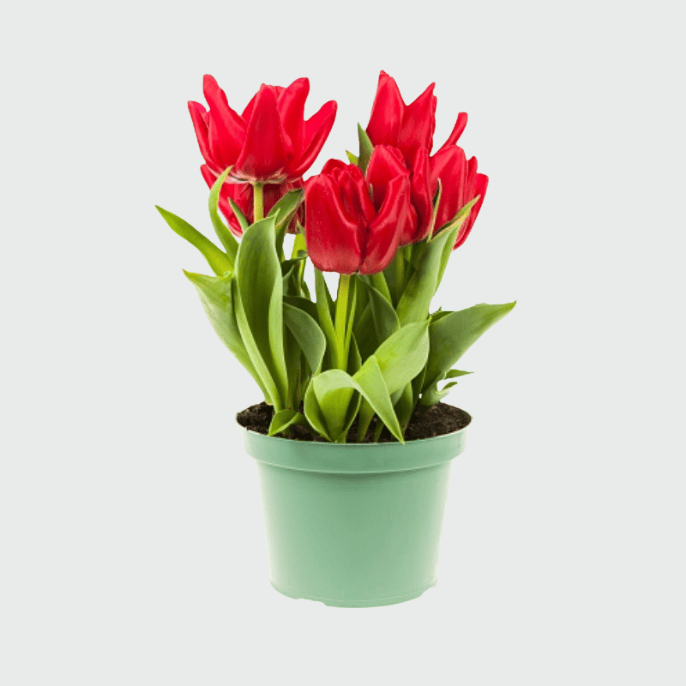
Introduction to Tulips
Tulip Flower (Tulipa) are iconic spring-blooming perennial bulbs renowned for their elegant, cup-shaped flowers and vibrant spectrum of colors. Originating from Central Asia, these beloved plants symbolize perfect love and the arrival of spring. With thousands of varieties available from classic single earlies to extravagant parrot and fringed types—tulips offer unparalleled versatility for garden beds, borders, containers, and cut flower arrangements. Their relatively simple cultivation process, centered on a crucial fall planting period, makes them accessible and rewarding for gardeners of all skill levels.
Essential Planting Instructions
Successful tulip growth begins with proper bulb selection and planting. Choose firm, plump bulbs free of mold or soft spots. The single most important rule is to plant in the fall, typically 6-8 weeks before the ground freezes, when soil temperatures have cooled below 60°F. Select a site with full sun and excellent drainage, as tulips despise soggy soil, which causes bulb rot. Plant bulbs pointy-end up, at a depth roughly three times the bulb’s height (usually 6-8 inches deep), and space them 4-6 inches apart. For visual impact, plant bulbs in groups or clusters rather than single rows.
Ongoing Care and Maintenance
Once planted, tulips require minimal care. Water the bulbs thoroughly after planting to encourage root establishment. If the fall is dry, provide occasional watering. Apply a balanced, slow-release bulb fertilizer at planting time and again when shoots emerge in spring. After the glorious spring bloom, deadhead spent flowers by removing the seed head, but leave the foliage intact. This allows the leaves to photosynthesize and send energy back to the bulb for next year’s bloom. Do not cut or braid the leaves until they have turned completely yellow and withered.
Addressing Common Challenges
Tulip Flower can face a few specific issues. Pests like squirrels and voles may dig up bulbs; deter them by planting in wire cages or using repellents. Diseases such as tulip fire (a fungal disease) are best prevented by ensuring good air circulation, removing infected plants immediately, and avoiding planting in the same spot for three years. In warmer climates (zones 8-10), tulips often perform as annuals because they require a sustained cold winter period to bloom well; pre-chilling bulbs in the refrigerator for 12-14 weeks before planting can simulate this necessary vernalization. For a naturalized look that returns yearly, consider species tulips, which are more perennial than their hybrid counterparts.


Reviews
There are no reviews yet.