
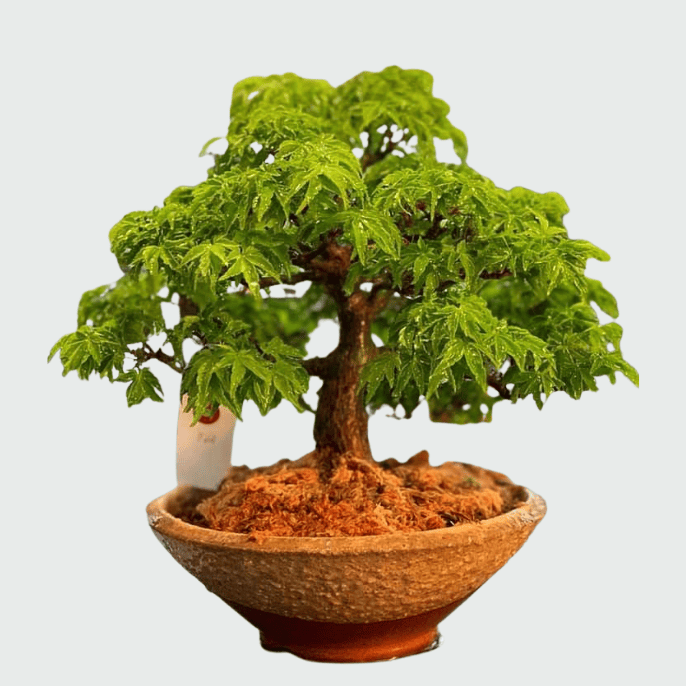
Tamarindus indica, commonly known as Imli, is a tropical fruit tree valued for its tangy pulp. People also call it Aloo Imli, Khatti Imli, or simply Imli. The tree grows widely in South Asia. Moreover, it produces pod-like fruits with a sour flavor. Therefore, many cuisines use tamarind for cooking, chutneys, and refreshing drinks.
Botanical Features of Tamarind Tree
The tamarind tree grows large and long-lived. Its dense canopy provides excellent shade. Furthermore, the leaves appear small and feathery. The tree also produces brown pods containing sticky pulp. In addition, the pulp surrounds hard seeds. Farmers value the plant because it tolerates heat and drought.
Health Benefits of Imli
Imli offers several health benefits. First, it contains antioxidants and vitamin C. Therefore, it supports immune health. Moreover, tamarind improves digestion and reduces acidity. Many people also use it for natural detox drinks. In addition, the fruit provides minerals such as potassium and magnesium.
Culinary Uses of Tamarind
Tamarind adds a rich sour taste to many dishes. Chefs often use it in curries and sauces. Additionally, the pulp flavors chutneys, pickles, and beverages. Many street foods also include tamarind water for tangy taste. Consequently, Imli remains essential in Asian and Middle Eastern cuisine.
How to Grow Tamarind Tree
Growing tamarind requires warm conditions. First, plant seeds in well-drained soil. Then place the plant in full sunlight. The tree grows slowly during early years. However, it becomes strong after establishment. Regular watering supports young plants. Later, mature trees tolerate dry climates easily.
Soil and Climate Requirements
Tamarind trees prefer sandy or loamy soil. Good drainage remains essential for healthy roots. Additionally, the plant thrives in tropical and subtropical climates. Temperatures between 25°C and 35°C suit the tree best. Therefore, regions with warm weather support better growth.


Reviews
There are no reviews yet.