
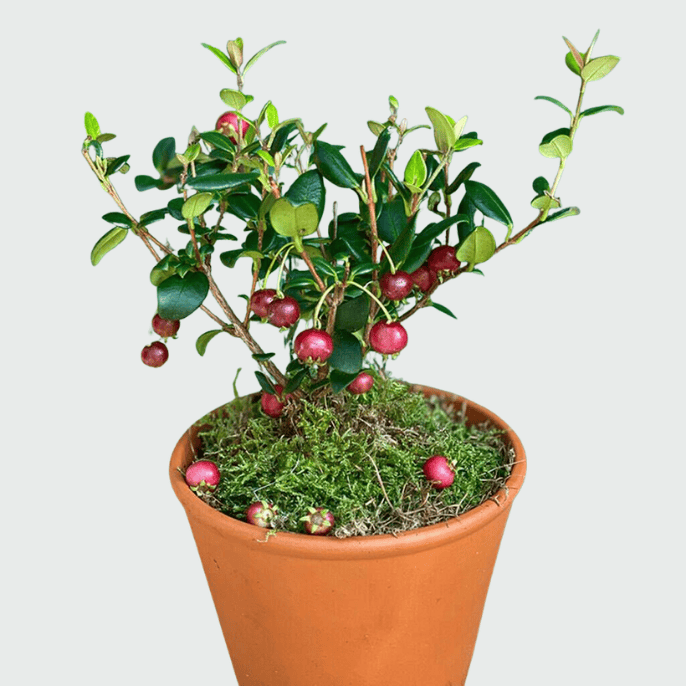
The Strawberry Guava plant offers beauty and delicious fruit. It thrives in warm climates and adapts well to containers. Gardeners love its glossy leaves and vibrant red fruits. Moreover, it adds a tropical feel to any garden space. This plant suits both beginners and experienced growers. Therefore, it has become a popular choice for home gardening.
Why Choose Strawberry Guava for Your Garden
Strawberry Guava produces small, sweet, and aromatic fruits. The flavor resembles strawberries with a hint of guava. Additionally, the plant grows quickly under proper care. It also requires minimal maintenance compared to other fruit plants. As a result, it becomes ideal for busy gardeners. Furthermore, it attracts birds and pollinators, enhancing garden biodiversity.
Key Features of Strawberry Guava Plant
This plant remains evergreen throughout the year. It produces dense foliage, which provides natural shade. Moreover, the fruits appear in bright red or yellow varieties. Each fruit contains juicy pulp and small seeds. In addition, the plant can reach up to 10 feet in height. However, pruning helps maintain a manageable size.
Best Climate and Growing Conditions
Strawberry Guava prefers warm and humid conditions. It grows best in tropical and subtropical regions. However, it can tolerate mild frost for short periods. Ensure the plant receives full sunlight for healthy growth. Partial shade also works in extremely hot climates. Well-draining soil improves root development significantly.
How to Plant Strawberry Guava
Choose a healthy sapling from a trusted nursery. First, dig a hole twice the size of the root ball. Then, place the plant gently and fill with soil. Water thoroughly after planting. Additionally, add organic compost to enrich the soil. Mulching helps retain moisture and control weeds.
Watering and Fertilizing Tips
Water the plant regularly during the growing season. However, avoid overwatering to prevent root rot. During winter, reduce watering frequency. Use balanced fertilizer every few weeks. Organic fertilizers improve fruit quality and soil health. Consequently, your plant will produce better yields.
Pruning and Maintenance
Pruning keeps the plant healthy and well-shaped. Remove dead or damaged branches regularly. Moreover, trimming encourages new growth and fruit production. Keep the center open for better air circulation. This practice reduces the risk of diseases. Therefore, regular maintenance ensures long-term growth.
Pest and Disease Management
Strawberry Guava shows good resistance to pests. However, occasional insects may appear. Use organic sprays to control infestations. Neem oil works effectively against common pests. Additionally, avoid excessive watering to prevent fungal issues. Clean surroundings also reduce disease risks.
Harvesting and Uses of Strawberry Guava
Fruits usually ripen within a few months after flowering. Harvest them when they turn bright red or yellow. The fruits taste best when fully ripe. You can eat them fresh or use them in jams. Moreover, they work well in juices and desserts. Their unique flavor enhances many recipes.
Where to Buy Strawberry Guava Plant
Benefits of Growing Strawberry Guava
This plant offers both ornamental and edible value. It improves garden aesthetics with lush greenery. At the same time, it provides nutritious fruits. The plant also supports local wildlife and pollinators. Therefore, it becomes a valuable addition to any garden.


Reviews
There are no reviews yet.