
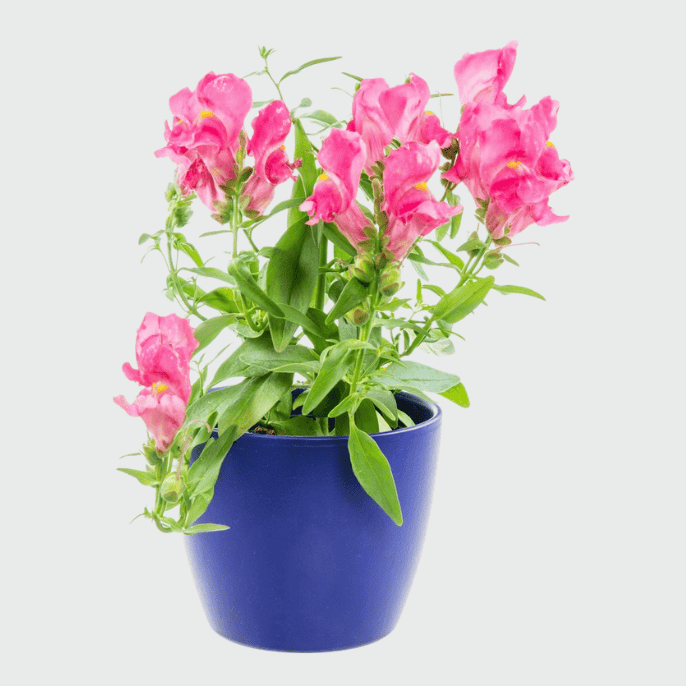
Why Choose Snapdragons?
Snapdragon Plant (Antirrhinum majus) are beloved for their upright spikes of colorful, tubular flowers that resemble a dragon’s snout. These charming cool-season annuals (or short-lived perennials in mild climates) offer a stunning array of colors—from soft pastels to vibrant reds and yellows. Their unique “snapping” bloom mechanism is a delight for children and adults alike. Best of all, they are not difficult plants to master, making them a perfect choice for both novice and experienced gardeners seeking reliable color and vertical interest in beds, borders, or containers.
Getting Started: Planting Basics
Success begins with proper planting. Snapdragon Plant thrive in full sun (at least 6-8 hours daily) but appreciate afternoon shade in hotter regions. They demand well-draining soil enriched with compost. You can start from seeds indoors 8-10 weeks before the last frost, or more easily, purchase young transplants from a garden center. Space plants 6-12 inches apart, depending on the variety (dwarf, intermediate, or tall). For a prolonged display, make successive sowings every few weeks or choose a mix of early and late-season varieties.
Essential Care for Thriving Blooms
Consistent care is simple but key. Watering should be regular, aiming to keep the soil evenly moist but never soggy. Water at the base to keep foliage dry and prevent disease. Feeding every 4-6 weeks with a balanced, all-purpose fertilizer will support their heavy blooming. The most crucial practice is deadheading—promptly removing spent flower spikes. This prevents the plant from going to seed and encourages it to produce new blooms, significantly extending your flowering season from cool spring through to fall.
Overcoming Common Challenges
While generally trouble-free, snapdragons can face a few issues. Pests like aphids can be managed with a strong spray of water or insecticidal soap. Diseases such as rust or mildew are best prevented by ensuring good air circulation, avoiding overhead watering, and planting in full sun. In warm summer climates, snapdragons may naturally slow down or fade; a light trim can often encourage a fresh flush of blooms as cooler autumn weather returns. Their natural tolerance for cooler temperatures makes them a standout in spring and fall gardens when other flowers may struggle.


Reviews
There are no reviews yet.