
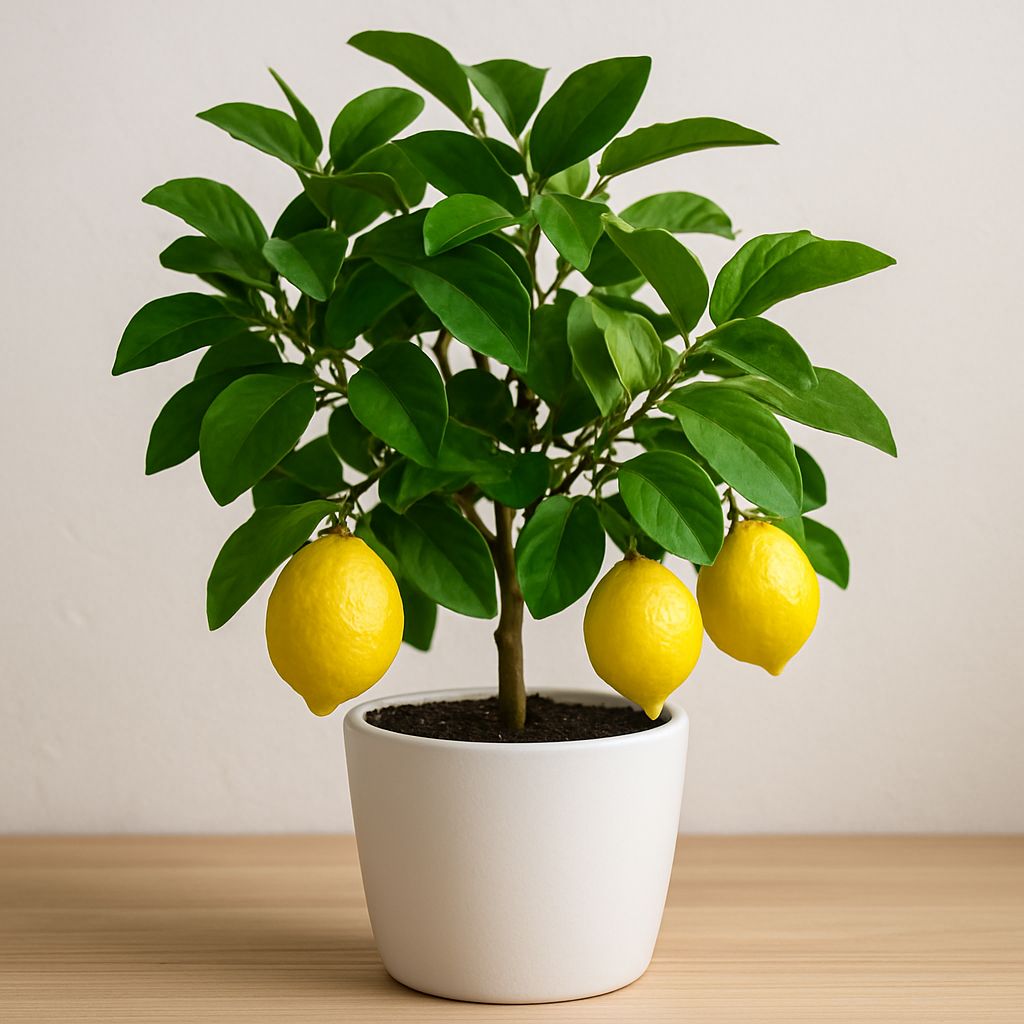
Introduction to the Lemon Plant
The lemon plant (Citrus × limon) is a wonderfully rewarding addition to the home. Beyond its aesthetic appeal, a lemon plant boasts glossy evergreen leaves and fragrant blossoms. It also offers the joy of harvesting your own sun-warmed, aromatic fruit. Often thought to need a perfect Mediterranean climate, these citrus trees can thrive indoors if you understand their core needs. With proper care, a lemon plant can become both productive and a striking focal point in your home.
Choosing the Right Lemon Plant
Success begins with selecting an appropriate variety. For indoor cultivation, dwarf varieties are essential.Look for cultivars like ‘Improved Meyer,’ a sweeter lemon-orange hybrid. It is known for its adaptability and continuous blooming. Another option is ‘Ponderosa,’ which produces large, thick-skinned fruit. These are specifically grafted to remain compact and are more tolerant of container life. Starting with a healthy, young plant from a reputable nursery is far more efficient than attempting to grow from seed, which can take many years to fruit, if at all.
Essential Elements for Success
Your lemon plant’s health hinges on four critical factors. First, maximum sunlight is non-negotiable. Place your plant in a south-facing window where it can receive at least 8 hours of direct, bright light daily; supplement with a grow light during darker months. Second, master watering and drainage. Water deeply when the top 2 inches of soil feel dry, but ensure the pot has excellent drainage to prevent “wet feet,” which cause root rot. Third, provide adequate humidity. Combat dry indoor air by misting the leaves regularly, using a pebble tray, or placing a humidifier nearby. Fourth, feed consistently. Use a fertilizer designed for acid-loving or citrus plants every few weeks during the active growing season (spring through summer) to support flowering and fruiting.
Ongoing Care and Management
Regular attention will keep your lemon plant thriving. Prune lightly in late winter to maintain shape, encourage airflow, and remove any dead or crossing branches. Be mindful of common pests such as spider mites, scale, and aphids, which can be managed with insecticidal soap or neem oil applied to the leaves. When flowers appear, you may need to assist with pollination by gently transferring pollen between blossoms with a small, soft brush. Finally, repot your tree every 2-3 years into a slightly larger container with fresh, well-draining potting mix to accommodate root growth.


Reviews
There are no reviews yet.