
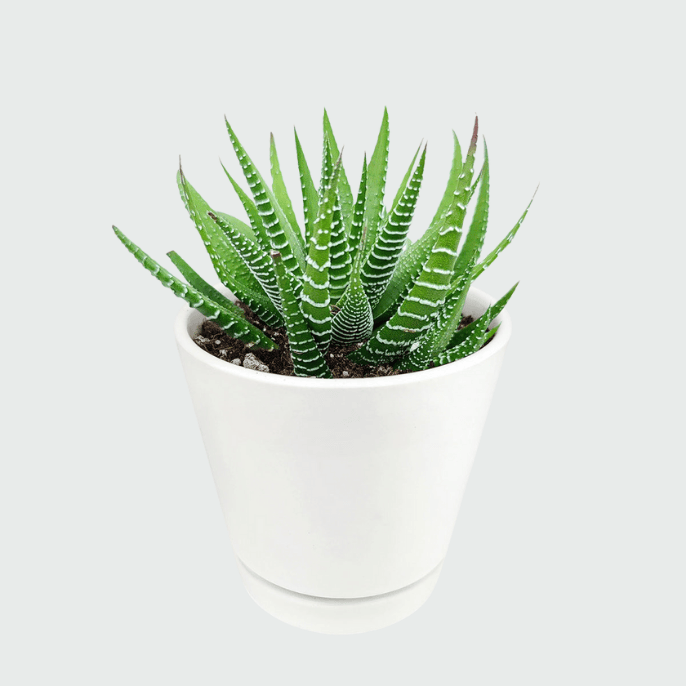
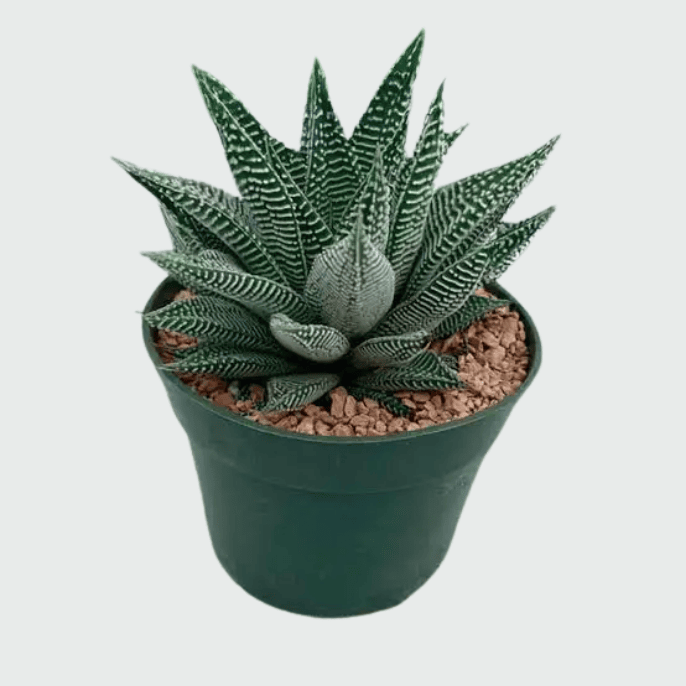
Haworthia succulent Plant are charming, low-maintenance plants that brighten any indoor space. Their compact size and unique leaf patterns make them ideal for homes, offices, or small plant displays. With the right care, these hardy succulents thrive effortlessly. This guide explains everything you need for successful home growing.
What Makes Haworthia a Great Indoor Succulent
Haworthia Succulent plant adapt well to indoor conditions. They grow slowly and stay compact. Their fleshy leaves store water, which helps them survive occasional neglect. These succulents also tolerate indirect light, making them perfect for beginners and busy plant lovers.
Light Requirements for Healthy Growth
Place Haworthia in bright, indirect sunlight. Direct sunlight can damage the leaves. A spot near an east or north window works best. If light is low, the plant stretches and loses its shape. Move it to a brighter spot to restore compact growth.
Watering Tips to Prevent Root Rot
Water the plant only when the soil dries out. Over watering harms Haworthia more than under watering. Use the soak-and-dry method. Water deeply and let the excess drain out. Ensure the pot has drainage holes. Always avoid letting the plant sit in water.
Soil and Potting Mix for Strong Roots
A fast-draining soil mix keeps the roots healthy. Choose cactus or succulent soil. Add perlite or pumice for better drainage. Repot every two to three years to refresh the mix. Use a small pot to prevent excess moisture buildup.
Ideal Temperature and Humidity Levels
Haworthia Succulent Plant prefers moderate temperatures. Keep the plant between 18°C and 27°C. It also thrives in low humidity. Avoid placing it near heaters or cold drafts. Stable indoor conditions support steady growth.
Fertilizing for Better Color and Growth
Feed Haworthia once during the growing season. Use a diluted succulent fertilizer. Too much fertilizer burns the roots and weakens the plant. Light feeding keeps the leaves vibrant and firm.
Common Problems and Simple Solutions
Soft leaves signal over watering. Wrinkled leaves show dehydration. Move the plant to proper light and adjust watering. Pests like mealybugs may appear. Remove them with alcohol-dipped cotton or a gentle insecticidal soap.


Reviews
There are no reviews yet.