
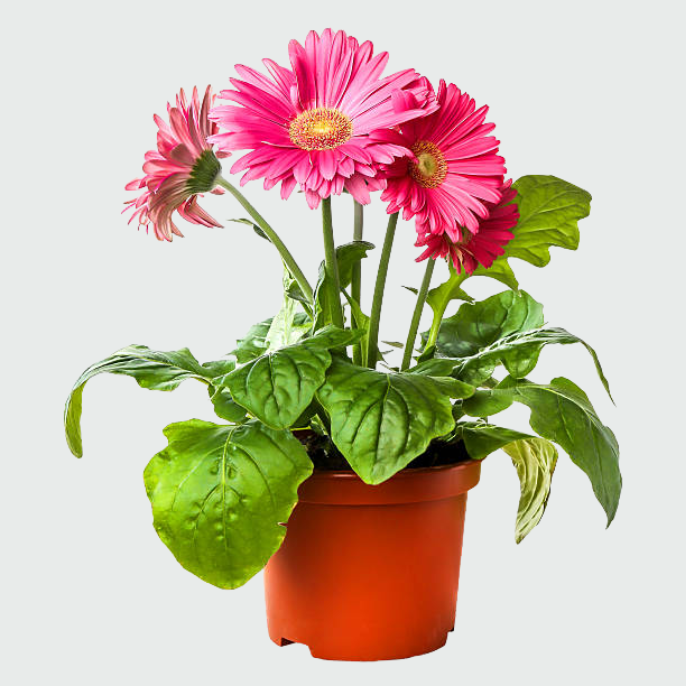
Introduction to Gerbera Flower
Gerbera Flower daisies (Gerbera jamesonii) are celebrated for their large, vividly colored, and symmetrical flower heads that radiate cheerfulness. Available in a stunning spectrum from bold reds and yellows to soft pinks and pure whites, these perennial plants are prized as long-lasting cut flowers and vibrant additions to containers and garden beds. While they have a reputation for being slightly fussy, understanding a few key requirements makes growing these stunning blooms at home a very achievable and rewarding endeavor.
Ideal Growing Conditions
Success starts with mimicking Gerbera daisies’ preferred environment. They thrive in bright, indirect sunlight. While they enjoy plenty of light, intense afternoon sun in hot climates can scorch their petals and leaves. The absolute cornerstone of Gerbera care is exceptionally well-draining soil and careful watering. They are highly susceptible to crown and root rot, so a loose, sandy potting mix is essential. When planting, ensure the crown—the point where the stem meets the roots—sits slightly above the soil line to prevent moisture accumulation and decay.
Essential Care and Maintenance
Watering practice is critical. Water deeply but infrequently, allowing the top inch of soil to dry out between waterings. Always water at the base of the plant, keeping the leaves and crown dry. For steady blooms, feed your Gerbera with a balanced, water-soluble fertilizer every two to four weeks. Apply it throughout the active growing season, from spring to early fall. Regular deadheading is also important. Remove each spent flower stalk down to the base to encourage new blooms rather than seed production.
Common Challenges and Solutions
Gerberas can attract pests like aphids and whiteflies. A strong spray of water or an application of insecticidal soap can manage these issues. The most common problems, however, are fungal diseases like powdery mildew and crown rot. You can prevent most problems by keeping strong air circulation around the plant, watering from the base instead of overhead, and choosing well-draining soil. In colder climates (below USDA zone 8), many gardeners grow Gerberas as annuals or move them indoors to a bright, sunny spot before the first frost.


Reviews
There are no reviews yet.