
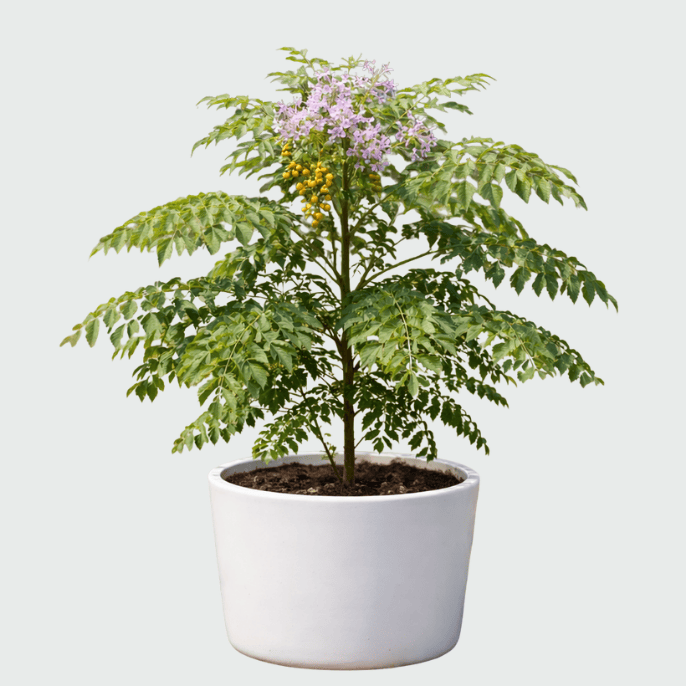
Bakain Tree is a fast-growing deciduous tree with ornamental and practical value. Commonly, people call it Bakain, Bakaayan, or Chinaberry tree in many regions. Moreover, gardeners admire its elegant foliage and attractive purple flowers. This tree thrives in warm climates and adapts to various soil conditions. Therefore, it suits urban landscapes, roadsides, and rural plantations. Its broad canopy provides dense shade during hot seasons. Additionally, the tree shows resilience against drought once established.
Botanical Features of the Bakain Tree
Melia Azedarach reaches heights between 7 and 15 meters. The trunk grows straight, while branches spread widely. Furthermore, compound leaves create a soft, feathery appearance.
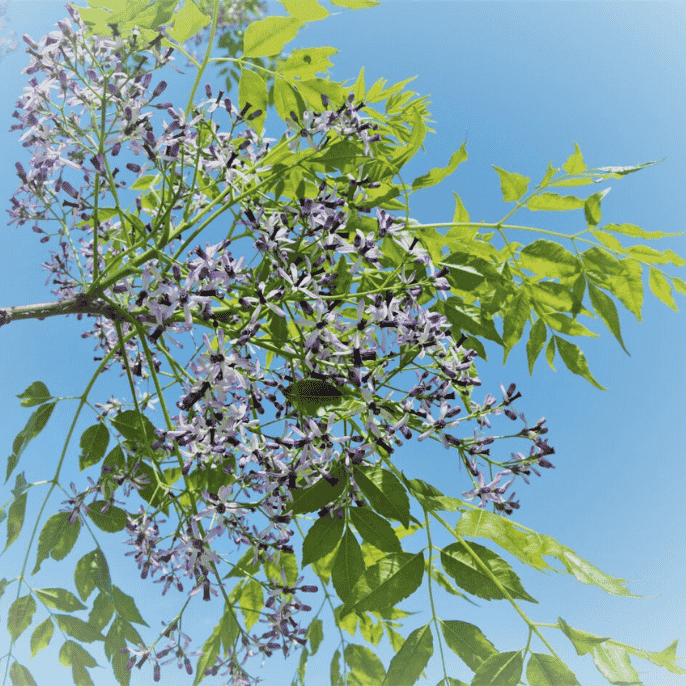
Each leaf displays multiple leaflets with serrated edges. In spring, fragrant lavender flowers bloom in clusters. Consequently, these blossoms attract bees and beneficial insects. Yellow berries appear after flowering and remain through winter. However, birds eat the fruit while humans avoid direct consumption.
Environmental Benefits of Melia Azedarach
The Bakain tree In Pakistan improves air quality by absorbing pollutants. Meanwhile, its dense foliage reduces dust in urban environments. Strong roots help control soil erosion on slopes. Additionally, the tree offers shade that lowers surrounding temperatures. Therefore, cities use it to combat heat island effects. Leaves also decompose quickly, enriching the soil naturally. As a result, nearby plants benefit from improved fertility.
Medicinal and Traditional Uses
Communities have used Melia Azedarach in traditional remedies for centuries. For example, extracts from leaves help repel insects naturally. Bark preparations sometimes serve in folk medicine practices. However, proper knowledge remains essential before medicinal use. Additionally, crushed seeds act as natural pest control agents. Farmers apply these solutions to protect crops from insects. Therefore, the tree supports eco-friendly agricultural methods.
Wood and Practical Applications
Melia Azedarach wood is moderately strong and easy to work. Carpenters use it for furniture, cabinets, and small tools. Moreover, its grain offers an attractive texture for decorative pieces. The wood resists termites better than many local species. Consequently, rural builders value it for durable constructions. Craft makers also create beads and ornaments from dried seeds. Thus, the tree supports both industry and handicrafts.
Growing Conditions for Bakain Tree
Melia Azedarach prefers full sunlight for optimal growth. However, young plants tolerate partial shade during early stages. Well-drained soil encourages strong root development. Additionally, the tree adapts to sandy, loamy, or clay soils. Moderate watering supports early establishment after planting. Afterward, mature trees withstand dry periods effectively. Therefore, it suits regions with irregular rainfall patterns.
Planting and Care Tips
Gardeners should plant saplings during mild weather. Space trees adequately to allow canopy expansion. Furthermore, prune branches to maintain structure and safety. Removing dead wood improves air circulation within the canopy. Apply organic compost annually to enhance growth. Meanwhile, monitor for pests, although infestations remain rare. Consequently, maintenance requirements stay relatively low.
Landscaping Value
Melia Azedarach adds visual appeal to parks and gardens. Its seasonal flowers create a vibrant landscape display. Moreover, the tree forms natural shade for seating areas. Landscape designers often use it along roads and pathways. Therefore, it enhances aesthetics while providing environmental benefits. In addition, its fast growth delivers quick greenery coverage.
Precautions and Considerations
Although useful, the berries can be toxic if eaten in large amounts. Thus, families should supervise children around fallen fruits. Some regions classify it as invasive due to rapid spread. Therefore, controlled planting prevents ecological imbalance. Proper management ensures sustainable use of this species.


Reviews
There are no reviews yet.