
Match:
- Notocactus scopa
- Parodia scopa
- Parodia sanguiniflora
- Parodia scopa var. albispina
- Silver Ball Cactus
Introduction
Parodia scopa, also known as the Silver Ball Cactus or Notocactus scopa, is a stunning spherical cactus native to the rocky grasslands of southern Brazil, Uruguay, and Argentina. This species is beloved by cactus enthusiasts for its charming round shape, dense silvery spines, and beautiful blooms. It’s an excellent choice for both beginners and experienced plant collectors due to its compact size and relatively easy care.
Color and Appearance
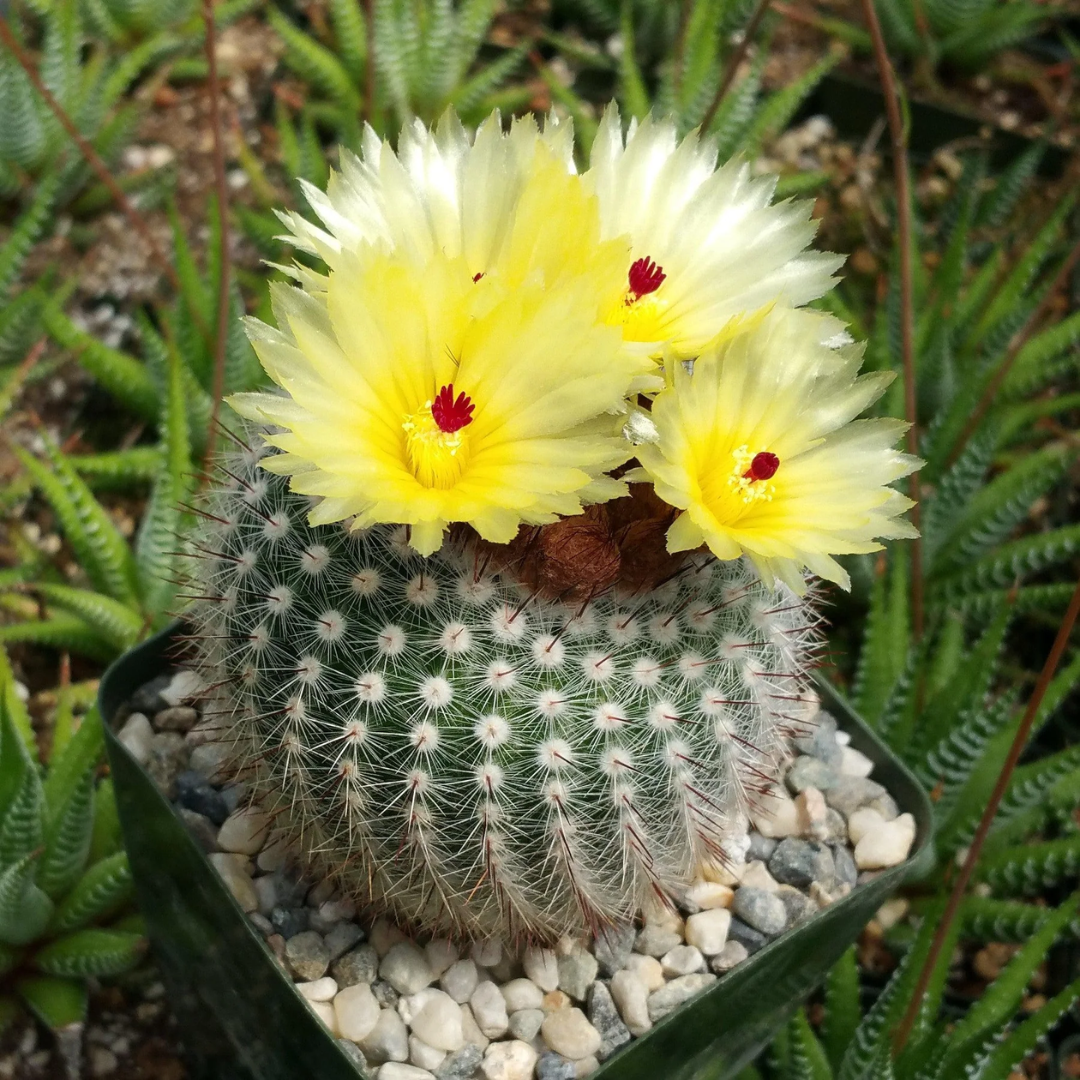
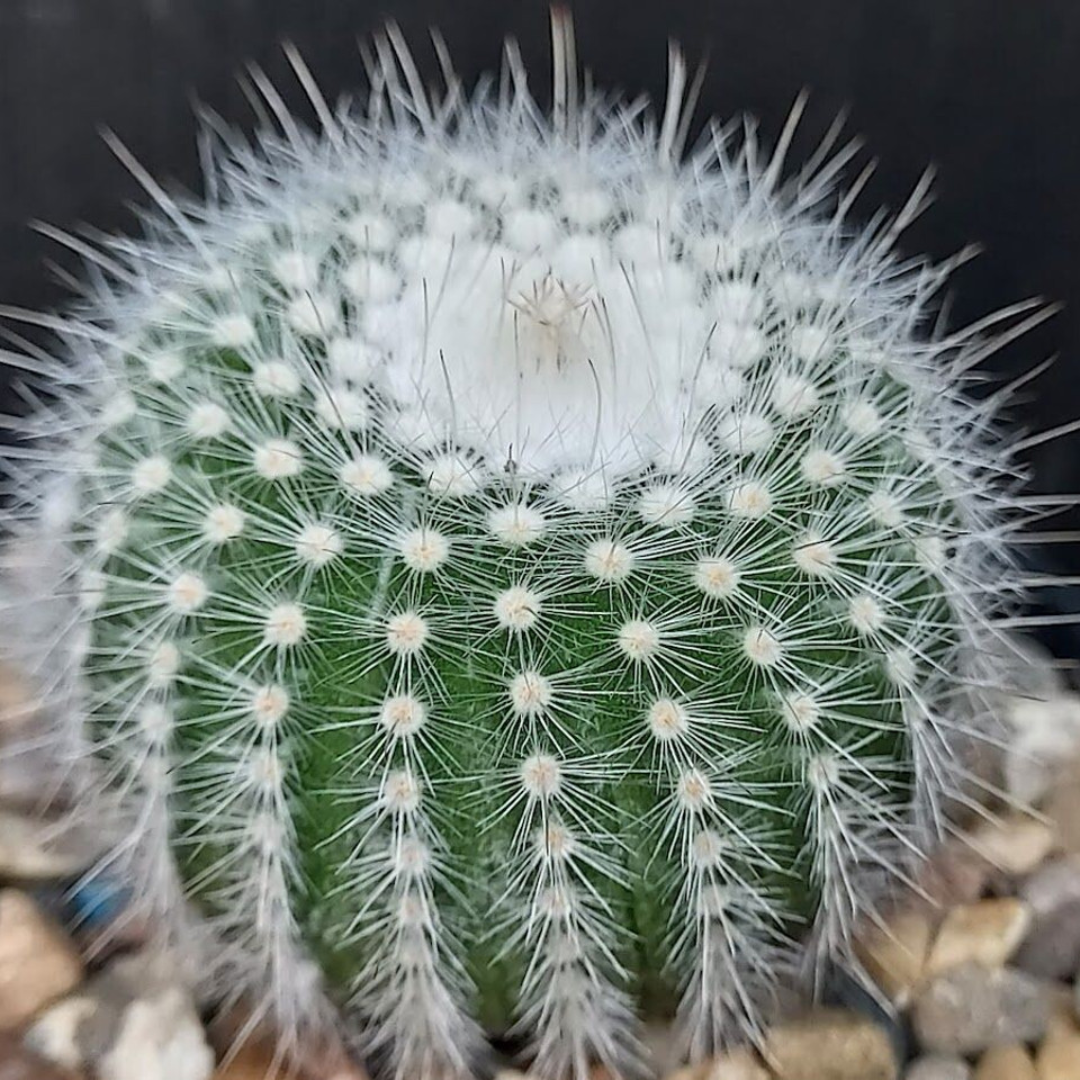
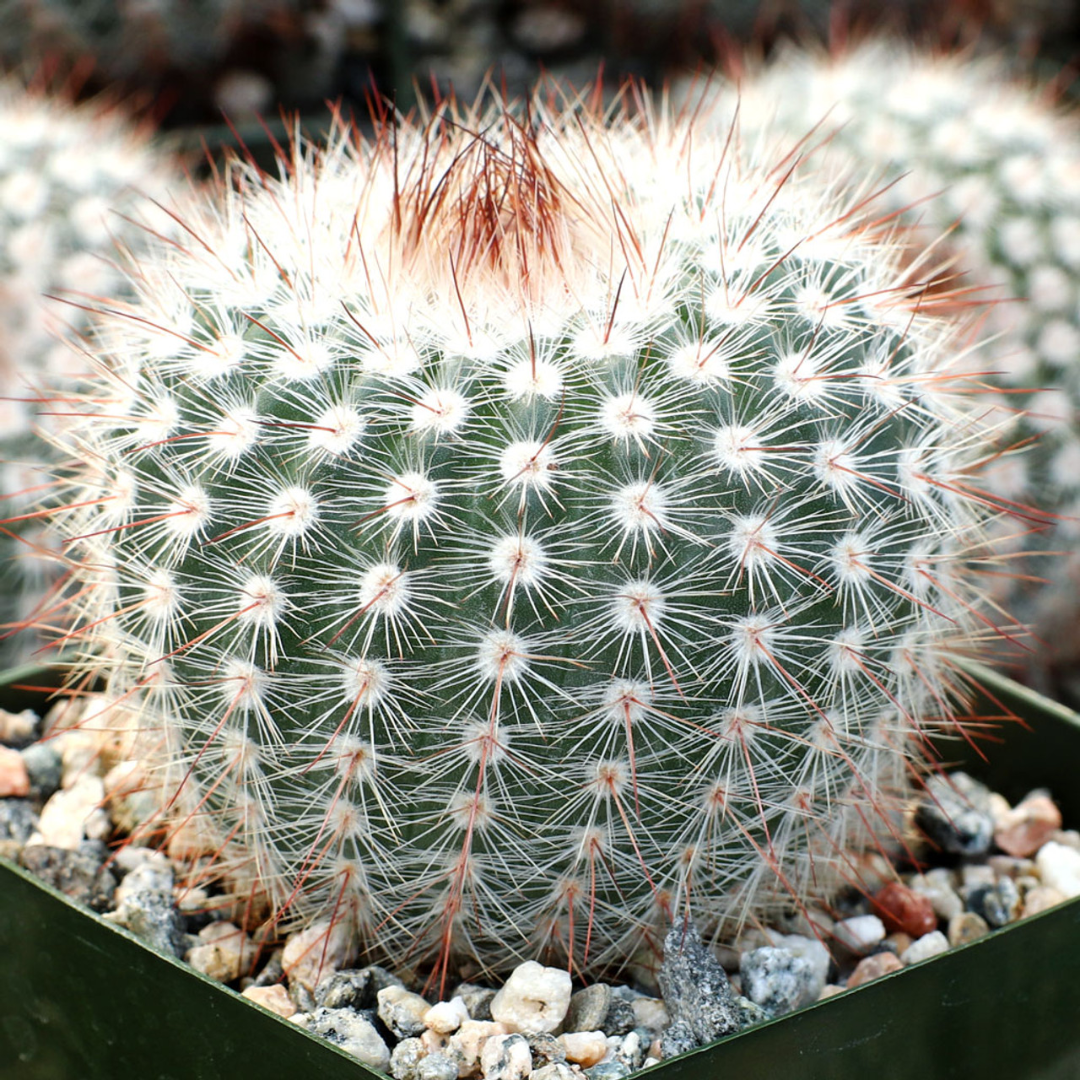
The body of Parodia scopa ranges from round to slightly columnar, typically growing to about 10-15 cm in height. The surface of the plant is covered with white to silver spines that give it a soft, fuzzy appearance, although they are quite firm to the touch. In spring and early summer, the cactus produces bright yellow to golden orange flowers, which create a striking contrast against its silver body. These flowers appear at the top (top) of the plant and can last for several days, adding vibrancy and beauty to any arrangement.
Light Requirements
This cactus thrives in bright, indirect sunlight or filtered light. It can tolerate full sun but prefers protection from harsh afternoon rays, especially in hot climates. Indoors, place it near a south or west-facing window to ensure it receives plenty of light. If grown outdoors, a spot with morning sunlight and partial afternoon shade is ideal.
Temperature & Climate
Parodia scopa prefers warm temperatures between 65°F and 80°F (18°C–27°C) during the growing season. It can tolerate cooler temperatures down to 45°F (7°C) in winter if kept dry, but it should be protected from frost. It’s best to bring the plant indoors when temperatures drop below 50°F (10°C).
Watering requirements
Water your Parodia scopa moderately during spring and summer, allowing the soil to dry out completely between waterings. Overwatering is one of the main causes of root rot in this cactus, so ensure that the pot has proper drainage. In the winter dormancy period, reduce watering drastically once a month or even less to keep the roots from staying soggy. Always use the “soak and dry” method: water thoroughly, then let it dry out fully.
Soil Mixture
Parodia scopa requires well-draining cactus or succulent soil. The best mix includes 2 parts cactus soil, 1 part coarse sand or pumice, and 1 part perlite or small gravel. This combination prevents water from accumulating and provides aeration to the roots. If you’re using a clay pot, it even better allows moisture to evaporate faster.
Fertilizer
Feed your cactus with a balanced, diluted cactus fertilizer (5-10-5 or 10-10-10) once every 4–6 weeks during the growing season (spring to summer). Avoid feeding in winter when the plant is dormant. Over-fertilization can cause weak growth or burn the roots, so always apply sparingly.
Propagation
Parodia scopa is most commonly propagated from seeds, as it rarely offsets. Sow the seeds in a well-draining cactus mix and keep them in warm, humid conditions until germination. It may take a few weeks for seedlings to appear. Patience is key, as this cactus grows slowly but steadily into beautiful, mature specimens.
General Care Tips
- Rotate the plant occasionally for even growth.
- Keep away from high-humidity areas; dry air suits it best.
- Repot every 2–3 years in spring using fresh soil to maintain healthy growth.
- Handle with care the spines, while soft-looking, are sharp.
Attention
The Parodia scopa or Silver Ball Cactus is a captivating species that combines beauty with resilience. Its silvery spines, bright yellow flowers, and low-maintenance nature make it a perfect centerpiece for any succulent or cactus collection. Whether displayed on a sunny windowsill or as part of a desert garden arrangement, this cactus brings elegance, texture, and life to every space.


Reviews
There are no reviews yet.