
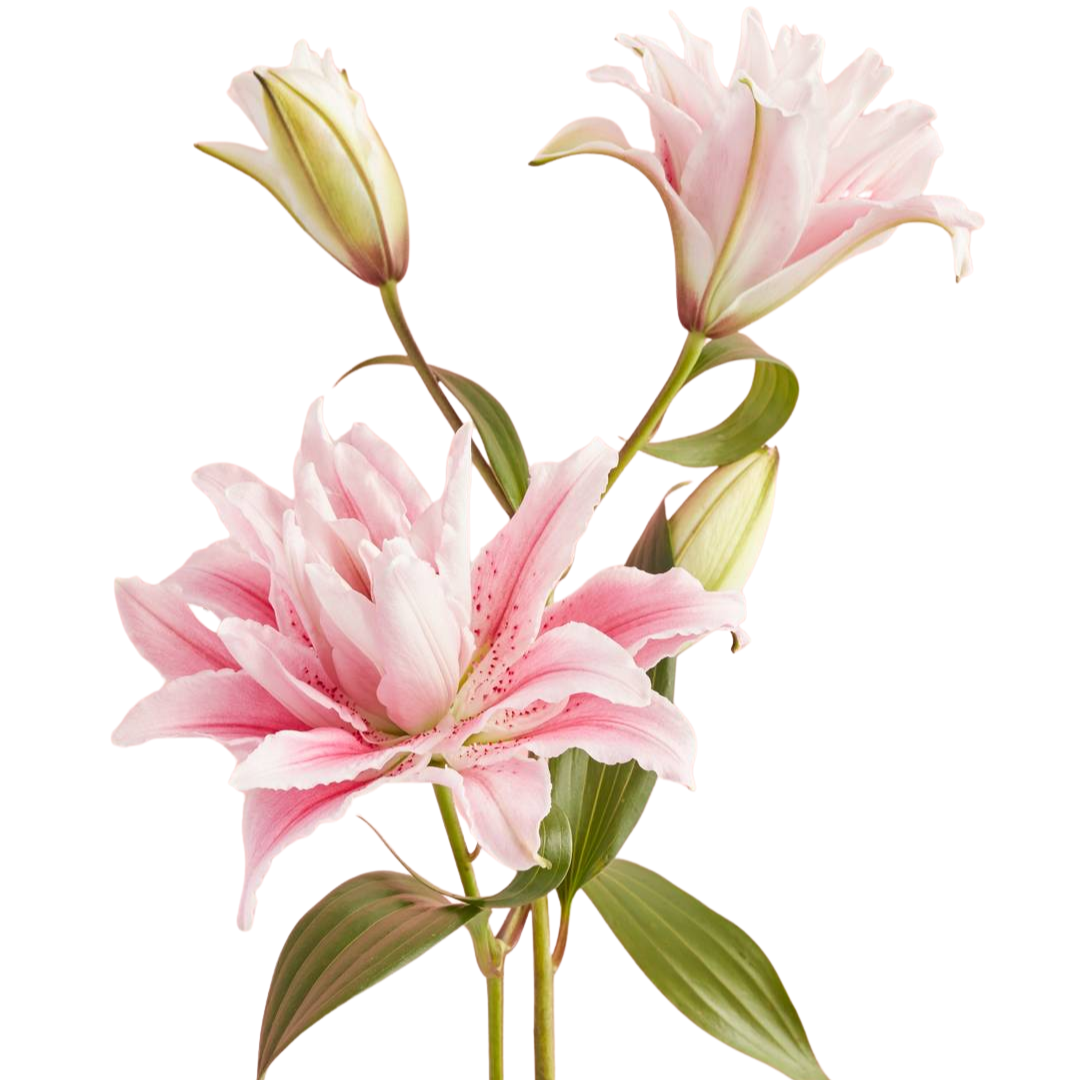
How to Grow Lilies from Seeds
Growing lilies from Lily Flower seeds is a rewarding, though patient, journey that allows you to cultivate unique varieties. Unlike planting bulbs, which leads to flowers in one to two seasons, starting from seeds is a longer process, often taking 2-4 years to see the first bloom. This method is ideal for dedicated gardeners looking to hybridize or grow species of lilies true to their parent plant. The key to success lies in understanding the two germination types: epigeal (quick-sprouting) and hypogeal (delayed, requiring a cold period).
Planting Your Lily Flower seeds
Begin with fresh, high-quality seeds from a reputable source. For epigeal seeds, sow them in seed trays filled with a moist, well-draining seed-starting mix, covering them lightly with soil. For hypogeal seeds, sowing requires a period of cold stratification. Mix seeds with slightly damp vermiculite, place in a sealed plastic bag, and refrigerate for about 3 months before planting. After stratification, sow them in containers. In both cases, place the trays in a warm, bright location with indirect light and keep the medium consistently moist but not waterlogged.
Essential Care for Seedlings
Once seedlings emerge, they need ample light—a sunny windowsill or a grow light for 12-14 hours a day is essential to prevent leggy growth. Keep the soil evenly moist and apply a diluted, balanced liquid fertilizer every two weeks during the growing season. As the seedlings develop true leaves and outgrow their trays, carefully transplant them into individual small pots. Continue to grow them in containers for their first year or two, protecting them from extreme weather.
Transplanting to the Garden
Your lily seedlings will be ready for their permanent garden home when they have developed small bulbs, typically after one or two growing seasons. Choose a location with full sun to partial afternoon shade and excellent drainage. Amend the soil with compost and plant the young lilies at the recommended depth for their specific type. Water deeply after planting and apply a layer of mulch to conserve moisture and regulate soil temperature. Continue to water regularly during dry spells and provide a balanced fertilizer in early spring as they establish.


Reviews
There are no reviews yet.