
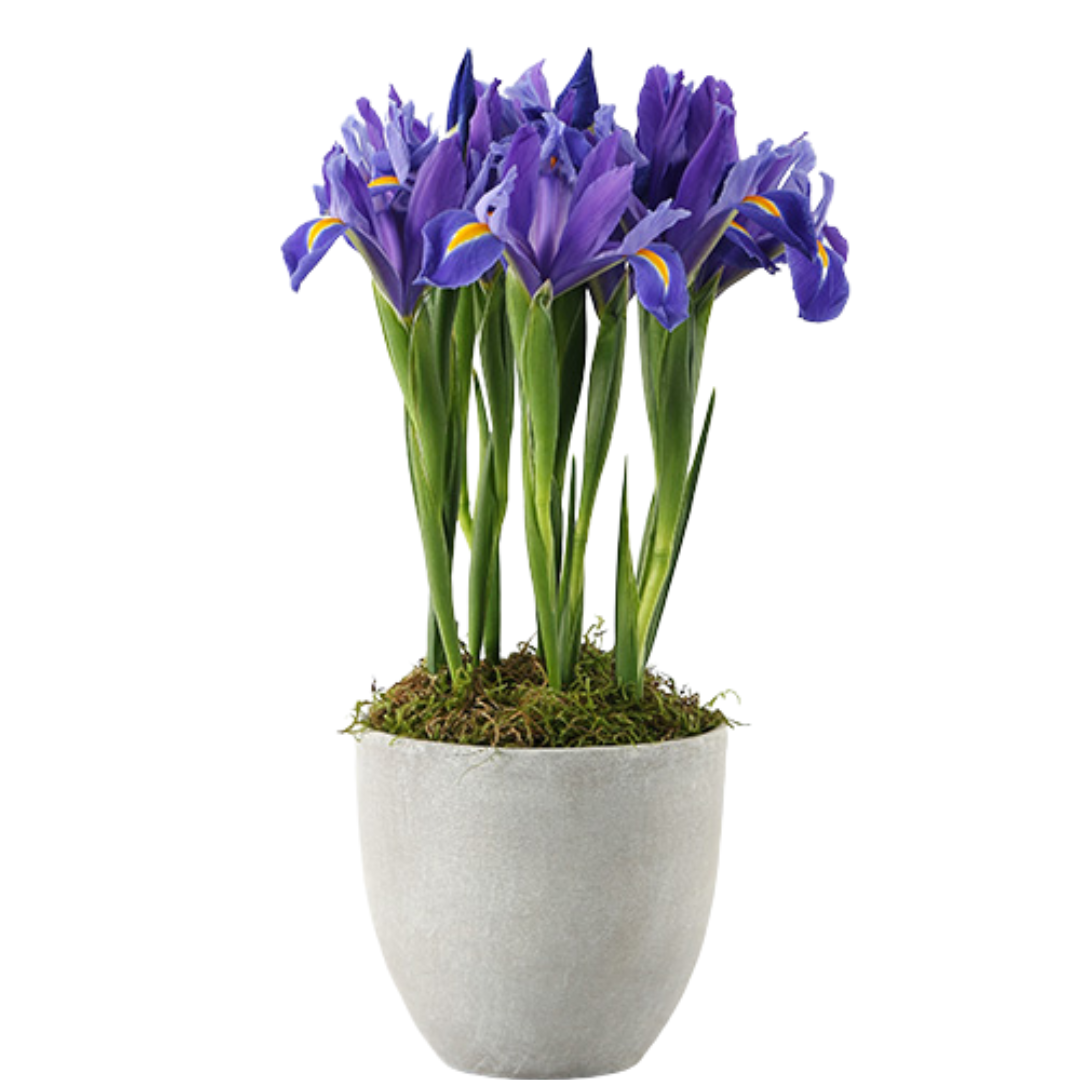
Understanding Iris Flower Seeds
Iris Flower seeds develop in the distinctive green pods that form after the flowers fade. These seeds are the product of sexual reproduction, meaning each seed carries a unique genetic mix from its parent plants. This makes growing from seed an exciting venture, as the resulting flowers may display new colors, patterns, and forms not identical to the parents. Patience is essential, as irises grown from seed typically take 2 to 3 years to mature and produce their first breathtaking blooms.
The Planting Process
Successful germination requires a period of cold stratification to break the seed’s natural dormancy. Begin by sowing seeds in late fall or early winter. Use a well-draining seed-starting mix in pots or flats. Plant the seeds about ¼ to ½ inch deep, water them thoroughly, and then place the containers in a cold environment, such as an unheated garage, cold frame, or refrigerator (around 40°F) for 10-12 weeks. This cold period mimics winter conditions. After stratification, move the pots to a bright, cool location (around 60-70°F) for germination, which can be slow and irregular over several weeks to months.
Cultivating Seedlings
Once sprouts emerge, provide bright, indirect light to prevent leggy growth. Keep the soil consistently moist but never waterlogged. When seedlings develop several true leaves and are large enough to handle, they can be carefully transplanted into individual pots. For the first growing season, keep the young plants in a protected location with adequate sunlight. They will focus energy on developing a robust rhizome or bulb system.
Transplanting to the Garden
The young iris plants are ready for their permanent home in the garden in their second year, typically in late summer or early fall. Choose a site with at least six hours of direct sun and excellent drainage, as irises despise wet feet. Prepare the soil by amending it with compost. Plant the seedlings, spacing them appropriately for their anticipated mature size, and water them in well. Continue to provide regular care, including weeding and optional light fertilization, as they establish themselves.


Reviews
There are no reviews yet.