Introduction to the Hydrangea Flower Plant
The Hydrangea flower plant is admired worldwide for its lush blooms, rich colors, and ability to transform any garden into a vibrant, eye-catching landscape. Known for their large, globe-shaped clusters of flowers, Hydrangeas bring elegance and charm to both outdoor and indoor spaces. Their unique ability to change color based on soil pH makes them especially fascinating to gardeners who enjoy experimenting with nature’s palette.
Appearance and Varieties
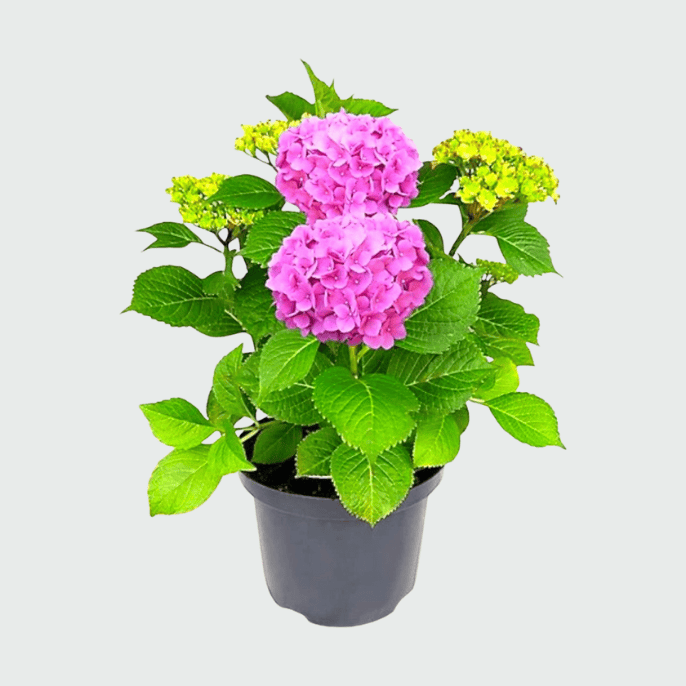
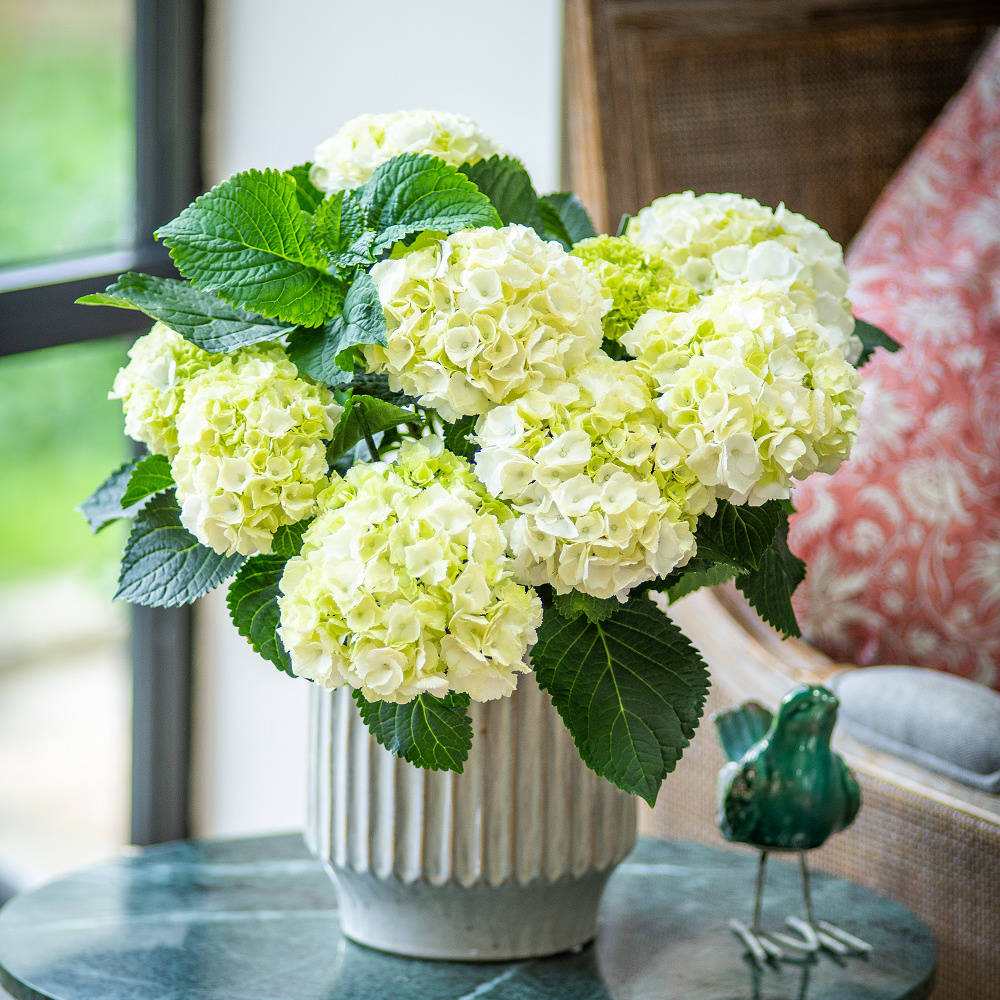
Hydrangeas come in a wide range of varieties, each offering its own special beauty. The most popular types include Bigleaf Hydrangea, Panicle Hydrangea, Smooth Hydrangea, and Oakleaf Hydrangea. These plants typically feature large green leaves and flower clusters that may appear in shades of blue, pink, white, purple, or even red. Their distinctive, rounded or cone-shaped blooms make them a standout feature in any garden design.
Ideal Growing Conditions
Hydrangeas thrive best in well-drained, fertile soil enriched with organic matter. Although they can tolerate partial shade, they prefer morning sunlight and afternoon shade to maintain vibrant blooms. Maintaining consistent moisture is important, as these plants enjoy slightly damp soil but should never be waterlogged. Mulching around the base helps retain water and regulates soil temperature.
Planting and Care
To plant a Hydrangea, dig a hole twice the width of the root ball and position the plant so the crown sits level with the soil surface. Water thoroughly after planting and continue watering regularly, especially during dry periods. Pruning depends on the variety: some bloom on old wood, while others bloom on new growth. Understanding the type you have ensures healthier, more abundant flowers.
Color Control and Maintenance
One of the most appealing aspects of Hydrangeas is their color-changing ability. Acidic soil produces blue blooms, while alkaline soil results in pink flowers. Gardeners can adjust the soil using additives like aluminum sulfate or lime to achieve their desired shade. Regular feeding with a balanced fertilizer supports growth and encourages larger, more vibrant flower clusters.


Reviews
There are no reviews yet.