
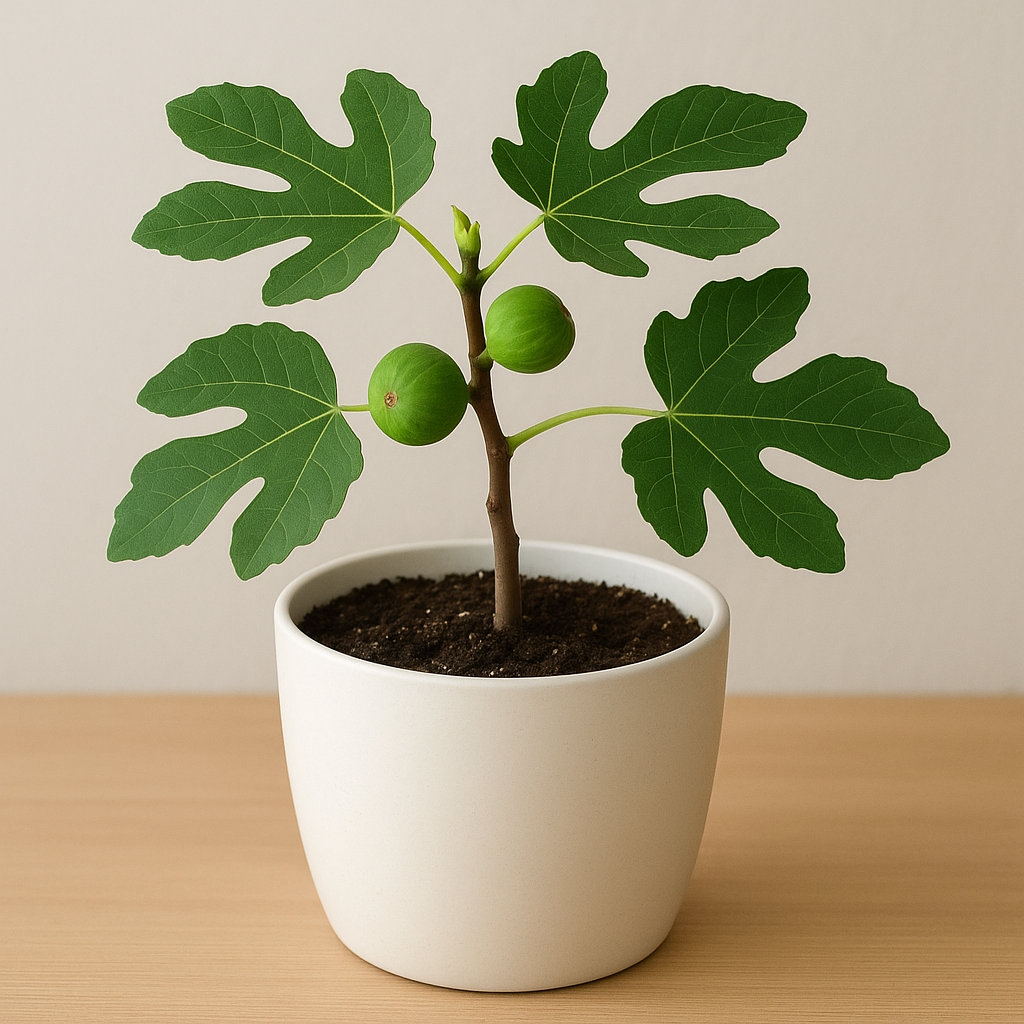
The Appeal of the Fig Plant
The fig plant (Ficus carica) is a uniquely rewarding fruit tree for home gardeners. The fig plant produces sweet, honeyed fruit and has large, tropical-looking leaves. It adds beauty and edible bounty to patios, gardens, and sunny indoor spaces. Some fig varieties can yield two crops per season and, with their simple care requirements, they grow reliably. Consequently, fig plants work well for both novice and seasoned gardeners. Moreover, their resilience and simple care routine make them ideal for enhancing any indoor or outdoor space. Additionally, they adapt easily to different environments, which further increases their popularity among plant lovers.
Selecting Your Fig Plant and Location
Success starts with choosing a cold-hardy variety suitable for your climate, such as ‘Chicago Hardy’ or ‘Brown Turkey,’ if you live in a region with frost. Figs demand a sun-drenched location—a minimum of 6-8 hours of direct, unfiltered sunlight daily is non-negotiable for fruit production. They are adaptable to ground planting in well-draining soil or container growing, which offers flexibility and allows for overwintering protection in cooler zones. Ensure any pot has ample drainage holes.
Essential Care for Growth and Fruit
A consistent care routine is straightforward but vital. Watering should be deep and regular, especially for young trees and during fruit development, allowing the top inch of soil to dry between sessions. Feeding in early spring with a balanced, slow-release fertilizer supports healthy leaf and fruit set. For container-grown fig plants, annual root pruning or repotting every few years prevents becoming root-bound. Winter protection for in-ground trees in marginal climates involves wrapping or mulching heavily around the base.
Harvesting Your Sweet Rewards
The ultimate joy is harvesting ripe figs, which do not continue to ripen once picked. Fruit is ready when it is soft to the touch, droops slightly on its stem, and may show small cracks or drops of nectar at the base. Use a gentle twisting motion to harvest. Birds also love ripe figs, so consider using protective netting as the fruit matures.


Reviews
There are no reviews yet.