
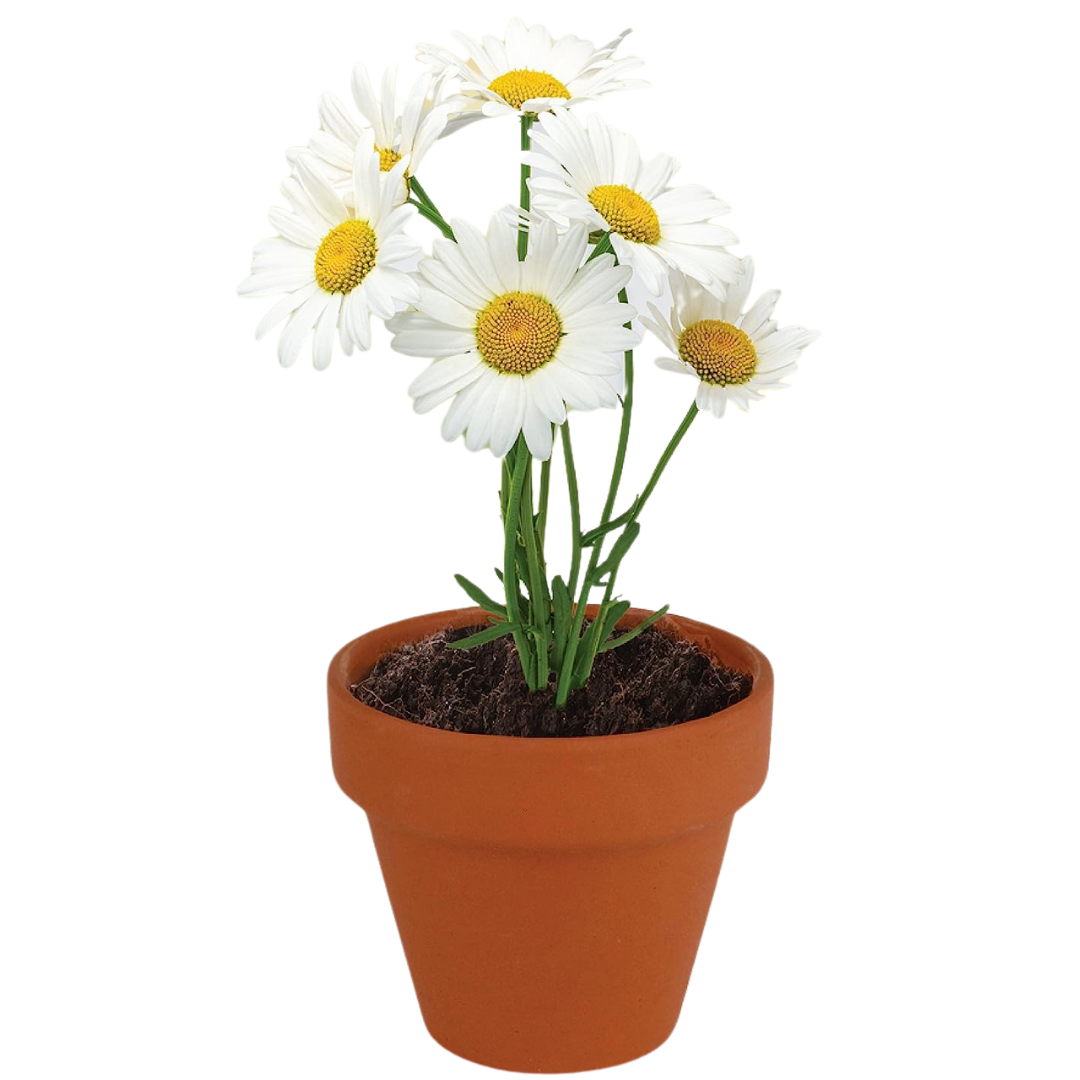
Introduction to Daisy Flower Seeds
Daisy Flower Seeds are the starting point for one of the most recognisable and cheerful blooms in any garden. Encompassing various species like Shasta, English, and Gerbera, daisies are renowned for their simple, sun-like appearance with white petals and bright yellow centres, though wide varieties offer a rainbow of colours. Growing these perennials and annuals from seed is a rewarding and economical process that allows you to cultivate a robust, vibrant display from the very beginning. With minimal requirements, these hardy plants are an excellent choice for beginner gardeners and a staple for seasoned horticulturists seeking enduring charm.
Selecting and Sowing Your Seeds
The journey begins with selecting the right Daisy Flower Seeds for your climate and garden vision. For most common perennial daisies like Shastas, the optimal method is to start seeds indoors 6-8 weeks before the last expected spring frost. Use a sterile seed-starting mix in trays, pressing the seeds lightly onto the soil surface as they need light to germinate. Keep the medium consistently moist and in a warm, bright location. For hardier varieties or in milder climates, a direct sowing into a prepared garden bed in late fall or early spring is also effective. Ensure the planting site has well-draining soil and receives full sun to partial shade.
The Critical Germination and Seedling Stage
Patience is key during the germination period, which can take 10-25 days. Once seedlings emerge with their first true sets of leaves, they require strong, direct light to prevent becoming leggy and weak. If started indoors, a grow light is highly beneficial. At this tender stage, maintain even moisture but avoid waterlogging. When seedlings are several inches tall and the risk of frost has passed, they must be “hardened off”—acclimated to outdoor conditions over 7-10 days by gradually increasing their time outside. This crucial step prevents transplant shock.
Transplanting for Long-Term Success
Prepare your garden bed by amending it with compost to improve drainage and fertility. Transplant your hardened-off seedlings, spacing them according to their mature variety size, typically 12-18 inches apart. Water them in thoroughly to settle the soil around the roots. A layer of organic mulch around the plants will help retain soil moisture, regulate temperature, and suppress weeds. For the first growing season, consistent watering is essential to establish a deep and strong root system.
Ongoing Care for Maximum Blooms
While daisies are relatively low-maintenance, attentive care ensures a prolific and long-lasting display. Water deeply during dry spells, but allow the soil to dry slightly between waterings. Apply a balanced, slow-release fertiliser in early spring as growth resumes. The most important practice for continuous blooms is deadheading—regularly removing spent flowers. This directs the plant’s energy into producing more buds instead of setting seed. In the fall, after flowering has ceased, you can cut back the foliage and, for perennial types, divide mature clumps every 2-3 years to rejuvenate them and create new plants for your garden.


Reviews
There are no reviews yet.