
The Ashok tree, also called Ulta Ashok, is a popular ornamental evergreen tree. It is widely planted in gardens, parks, and roadsides. Moreover, its tall and slender shape adds elegance to any landscape. This tree belongs to the Annonaceae family. It thrives well in tropical and subtropical climates. Therefore, it is commonly seen in South Asia.
Key Features of Tree
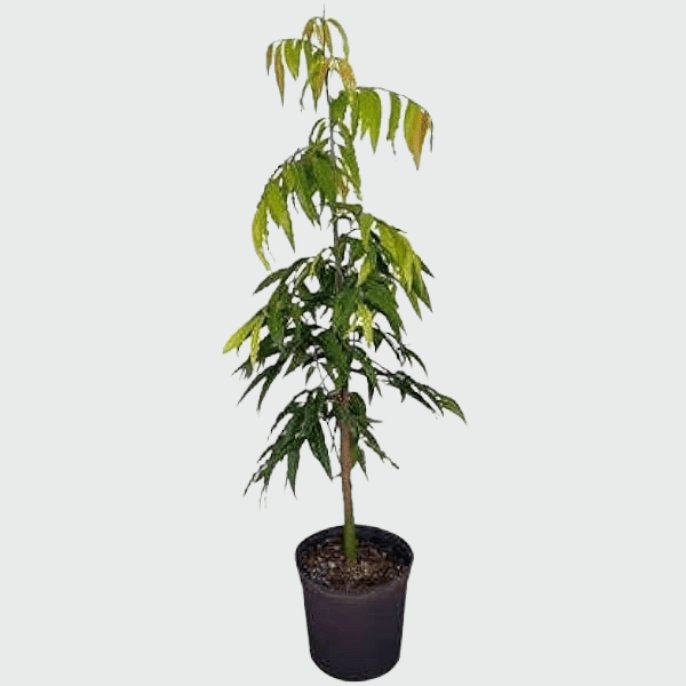
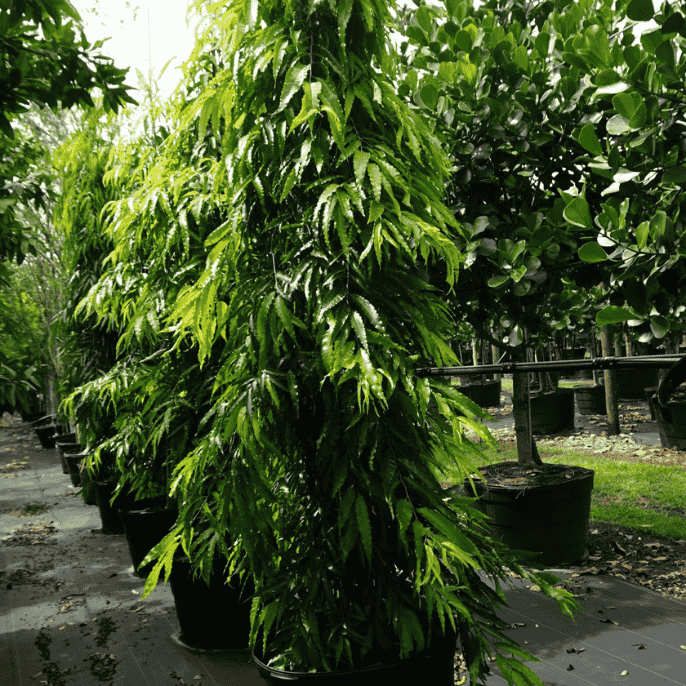
The Ulta Ashok tree grows tall and straight with a narrow structure. It can reach up to 40 feet in height. However, its width remains limited, making it ideal for small spaces. The leaves are long, glossy, and green. Additionally, young leaves appear in a copper shade. These leaves create a beautiful cascading effect.
The tree produces small green flowers. However, they are not very noticeable. Later, it develops small berries that turn black when ripe. Overall, the tree focuses more on foliage beauty than flowers.
Benefits of Ashok Tree
The Ashok tree offers multiple environmental and aesthetic benefits. Firstly, it acts as a natural air purifier. It helps reduce dust and pollution levels. Secondly, it provides shade without occupying much space. Therefore, it suits urban areas perfectly.
Moreover, the tree serves as a natural sound barrier. It reduces noise pollution when planted in rows. Additionally, it enhances privacy due to its dense foliage. Many homeowners use it as a boundary plant.
Uses of Polyalthia Longifolia
The Ashok tree has several practical uses. It is widely used for landscaping and decoration. Gardeners plant it along driveways and walls. Furthermore, it works well as a windbreak. It protects smaller plants from strong winds.
In some regions, people also value it for traditional purposes. Although it is not the true Ashoka tree, it still holds cultural importance. Therefore, it is often planted near temples and homes.
Growing Conditions for Polyathia Longifolia
The Ulta Ashok tree is easy to grow and maintain. It prefers full sunlight for healthy growth. However, it can tolerate partial shade as well. The tree grows well in well-drained soil. Sandy and loamy soils are ideal choices.
Moreover, it adapts to different soil types. It can survive in slightly poor soils too. Therefore, it is a low-maintenance option for beginners.
Watering and Fertilization
Proper watering ensures healthy growth of the Ashok tree. Water the plant regularly during its early stages. However, avoid overwatering to prevent root rot. Once established, it becomes drought-tolerant.
Additionally, apply organic fertilizer during the growing season. This improves leaf growth and overall health. Compost or manure works best for this purpose.
Pruning and Maintenance Tips
Regular pruning helps maintain the tree’s shape. Trim excess branches to keep it neat and tidy. Moreover, pruning encourages dense foliage growth. Always remove dead or damaged branches.
Furthermore, keep the surrounding area clean. This prevents pest attacks and diseases. The tree generally remains pest-resistant. Therefore, it requires minimal care.
Propagation of Ulta Ashok Tree
You can propagate the Ashok tree through seeds or cuttings. Seeds take longer to grow. However, cuttings provide faster results. Plant them in moist soil for better rooting.
Additionally, ensure proper sunlight and watering. This supports healthy development. With proper care, the plant establishes quickly.
Why Choose Ashok Tree for Landscaping
The Ashok tree stands out due to its unique structure. It adds vertical beauty to gardens. Moreover, it does not spread widely, saving space. Therefore, it is perfect for narrow areas.
Additionally, it grows fast and requires little maintenance. This makes it ideal for busy gardeners. Its evergreen nature ensures year-round greenery.


Reviews
There are no reviews yet.