

Lemon grass is more than just a fragrant herb; it serves as a natural treasure for health, aroma, and daily living. People have valued its fresh citrus scent for centuries, using it in traditional remedies and home practices. Its calming aroma helps reduce stress, while its nutrients support overall wellness. From preparing lemon grass tea to using lemon grass essential oil for relaxation, this plant fits easily into everyday life. As a powerful medicinal herb, lemongrass is also popular in cooking and natural cleaning. Whether used as a herbal remedy or a natural home fragrance, lemon grass truly brings magic into homes naturally and effectively.
What Is Lemon Grass?
Lemon grass is a tall, green herb with a strong citrus scent. Lemongrass originally comes from South Asia and people now grow it worldwide. Herbalists and essential oil producers often use its scientific names, Cymbopogon citratus and Cymbopogon flexuosus. In Pakistan, lemon grass is common in local markets, herbal stores, and home gardens. People use its fresh leaves, dried stalks, and processed lemongrass packets in cooking, teas, and aromatherapy.
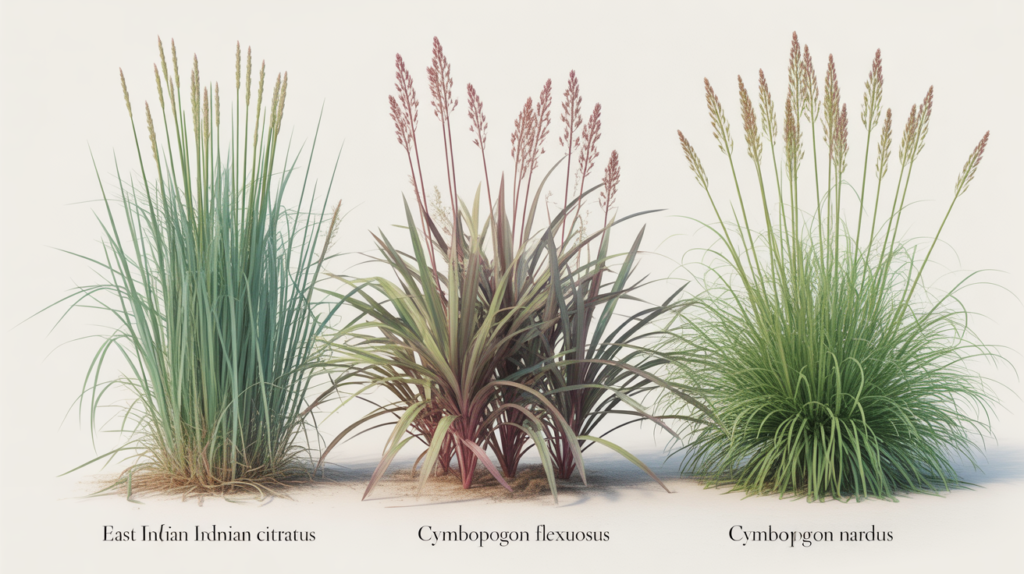
There are mainly two types of lemongrass. The first is Cymbopogon citratus, mostly used for cooking and making lemongrass tea. The second is Cymbopogon flexuosus, which is more aromatic and commonly used for lemongrass oil extraction. Both types are easy to grow in warm climates, making them suitable for Pakistani homes and gardens.
Types of Lemon grass
1. East Indian Lemongrass (Cymbopogon flexuosus)
2. West Indian Lemongrass (Cymbopogon citratus)
3. Java Lemongrass (Cymbopogon winterianus)
4. Citronella Grass (Cymbopogon nardus)
5. Cochin Grass (Cymbopogon khasianus)
6. Malabar Lemongrass (Cymbopogon flexuosus – regional variant)
Healing Aroma of Lemon grass
The scent of lemongrass is fresh, lemony, and slightly sweet. Its aroma comes from natural compounds like citral and limonene. This healing aroma is widely used in lemongrass oil, diffusers, and herbal remedies. In Pakistan, people burn lemongrass or use lemongrass oil in rooms to create a calming environment. Aromatherapy studies show that inhaling lemongrass aroma reduces stress, anxiety, and mental fatigue.
Lemongrass is also a natural air purifier. Placing lemongrass packets around the home can reduce unwanted smells and improve indoor air quality. Its aroma not only lifts your mood but also acts as a natural insect repellent. Many Pakistani families use lemongrass oil to keep mosquitoes away during the hot summer months.
Health Benefits of Lemon grass
Lemongrass benefits are widely recognized in both traditional and modern medicine. Drinking lemongrass tea regularly can improve digestion, reduce bloating, and relieve stomach pain. Its antibacterial and antifungal properties make it a natural remedy for infections and minor wounds. In Pakistan, lemongrass tea is often used as a home remedy for colds, flu, and sore throat.
Lemongrass is also beneficial for heart health. Studies suggest that it can help lower blood pressure and cholesterol levels. Its antioxidants support immunity and detoxification. A simple table below shows common lemongrass benefits:
| Benefit | Description |
| Digestion | Reduces bloating and stomach pain |
| Immunity | Fights bacterial and fungal infections |
| Heart Health | Lowers cholesterol and blood pressure |
| Relaxation | Reduces stress and anxiety |
| Detoxification | Helps cleanse the body naturally |
Practical Home Uses of Lemon grass
Lemongrass is highly versatile and can be used in many practical ways at home. It is commonly added to teas, soups, and curries for a refreshing flavor. In addition, lemongrass oil works as a natural insect repellent, keeping mosquitoes away. Many households use it in homemade cleaners due to its antibacterial qualities and pleasant scent. Lemongrass can also be used in herbal baths to relax the body and soothe tired muscles. Overall, its easy usability makes lemongrass a valuable plant for everyday home care.
Is Lemon grass a Perennial?
Yes, lemongrass is a perennial plant that grows year after year with proper care. In Pakistan’s warm climate, it thrives well, especially during spring and summer, and survives mild winters. Because it needs minimal maintenance, many gardeners grow it at home for a steady supply of fresh leaves. The perennial nature of Cymbopogon citratus makes it ideal for cooking, teas, and oil extraction, and it can be easily propagated from stalks or seeds.
How to Use Lemon grass in Food
Lemongrass is commonly used in Pakistani kitchens for its fresh, citrusy flavor. It enhances soups, curries, rice, and herbal teas, and can be chopped, crushed, or boiled to release its aroma. Lemongrass tea is especially popular in winter and is easy to prepare with water and a little honey. Both fresh and dried lemongrass are useful in cooking, with fresh leaves offering a stronger flavor and dried forms providing convenience. Additionally, lemongrass oil is used in sauces and marinades, while growing lemongrass at home ensures a fresh supply.
Where can I purchase Lemon grass?
In Pakistan, lemongrass is available in local markets, herbal stores, and online shops. Fresh lemongrass stalks and lemongrass packets are commonly found through haniplants, making access easier for buyers across the country. Prices differ based on the type and quantity. A small packet of dried lemongrass can cost around PKR 200–500, while fresh stalks are usually sold per kilogram.
Online stores also sell lemongrass seeds and lemongrass oil. E-commerce platforms provide convenience for urban users who want fresh or packaged lemongrass delivered to their homes. Buying directly from nurseries ensures that the plant is healthy and suitable for growing in local climates.
Where to Buy Lemon grass to Plant
Growing lemongrass at home is easy in Pakistan. Local nurseries offer fresh plants and lemongrass seeds for gardeners. Planting from seeds takes time but is rewarding, while planting from stalks gives a faster harvest. Cities like Lahore and Islamabad have specialized herbal nurseries selling Cymbopogon citratus and Cymbopogon flexuosus.
For beginners, using a lemongrass packet from a herbal store to start a small garden is also possible. This way, people can enjoy fresh leaves for cooking and lemongrass tea without frequent market visits. Home-grown lemongrass is also free from pesticides and safer for pets.
Home Uses of Lemon grass
Lemongrass has many home applications. Its strong aroma repels mosquitoes naturally, making it ideal for summer in Pakistan. People use lemongrass oil or crushed leaves in diffusers, sprays, and homemade insect repellents. Beyond pest control, lemongrass adds fragrance to homes through potpourri, candles, or cleaning solutions.
It also works as a natural cleaner. The antibacterial properties of Cymbopogon citratus help disinfect surfaces. Mixing lemon grass dubai oil with water and vinegar creates an eco-friendly cleaning solution. Many households in Pakistan prefer lemongrass for its safe, aromatic, and multipurpose uses.
Is Lemongrass Safe for Dogs
Lemongrass is mostly safe for dogs when used in small amounts. Fresh stalks or diluted lemongrass tea are usually harmless. However, lemongrass essential oil can be toxic. Pet owners should watch for vomiting, diarrhea, or lethargy and consult a veterinarian before use.
Is Lemongrass Safe For Cats
Lemongrass is not safe for cats because it can cause stomach upset, drooling, or vomiting if ingested.
Cats are especially sensitive to lemongrass oils, so it’s best to keep the plant and its products away from them.
Growing and Caring for Lemongrass at Home
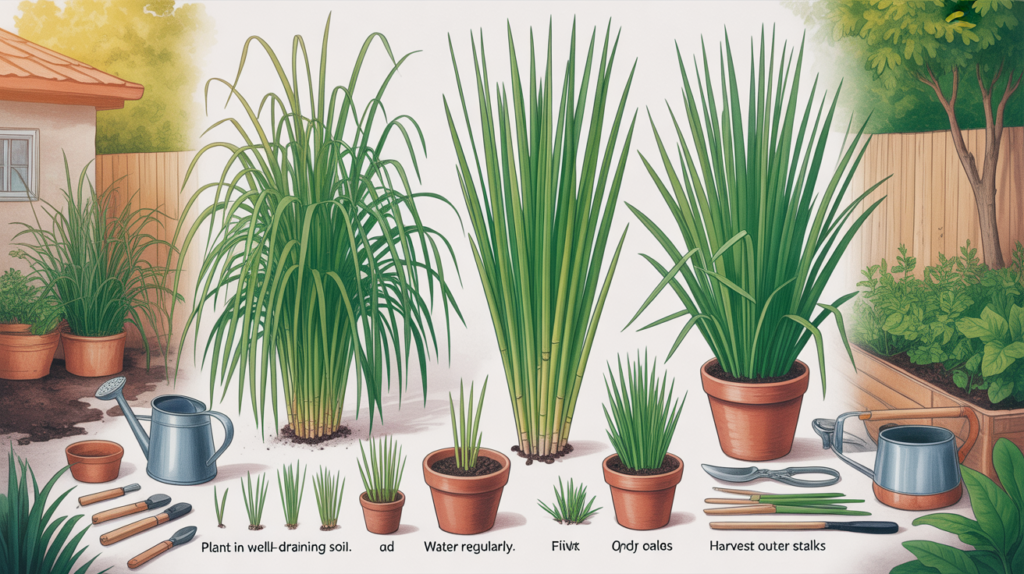
Growing lemongrass in Pakistan is simple. It grows best in soil that drains well and in areas with plenty of sunlight. Water it regularly, but avoid waterlogging. Fertilizing with organic compost supports healthy growth. Lemongrass seeds can be sown indoors or directly in gardens, while stalks can be planted for quicker growth.
Whether in pots or garden beds, Cymbopogon citratus and Cymbopogon flexuosus grow well in home gardens. Problems like yellow leaves or pests can be solved with proper watering, sunlight, and natural remedies. With proper care, lemongrass provides fresh leaves, a fragrant aroma, and health benefits all year round.
Conclusion:
Lemongrass magic is real. Its healing aroma, numerous lemongrass benefits, and versatile home uses make it a must-have for Pakistani households. From lemongrass tea to lemongrass oil, from cooking to home fragrance, this herb offers everything naturally. Growing your own lemongrass ensures a fresh supply, safety, and cost-effectiveness, especially when you choose healthy plants and seeds from Haniplants. Embrace lemongrass in daily life and enjoy its health, aroma, and home uses to the fullest.
FAQs :
What is lemon grass good for?
Lemongrass is good for improving digestion, reducing stress, and supporting immunity due to its natural antioxidants. It is also used for relaxation, pain relief, and as a natural remedy for colds and inflammation.
What is lemongrass called in Pakistan?
In Pakistan, lemongrass is commonly called “Lemon Grass Plant” in English and “Lemongrass (لیمن گراس)” in Urdu.
In some local areas, it is also known as “Khushbu Wali Ghaas” because of its pleasant fragrance.
What is the lifespan of lemongrass?
Lemongrass is a perennial plant that can live for 4 to 6 years with proper care.
In warm climates, it continues growing year after year and can be harvested regularly.
What are the different types of lemon grass?
There are mainly two types of lemongrass: East Indian lemongrass (Cymbopogon flexuosus), known for its strong aroma and culinary use, and West Indian lemongrass (Cymbopogon citratus), commonly used for teas, oils, and medicinal purposes. Both types have similar health benefits but slightly different flavors.