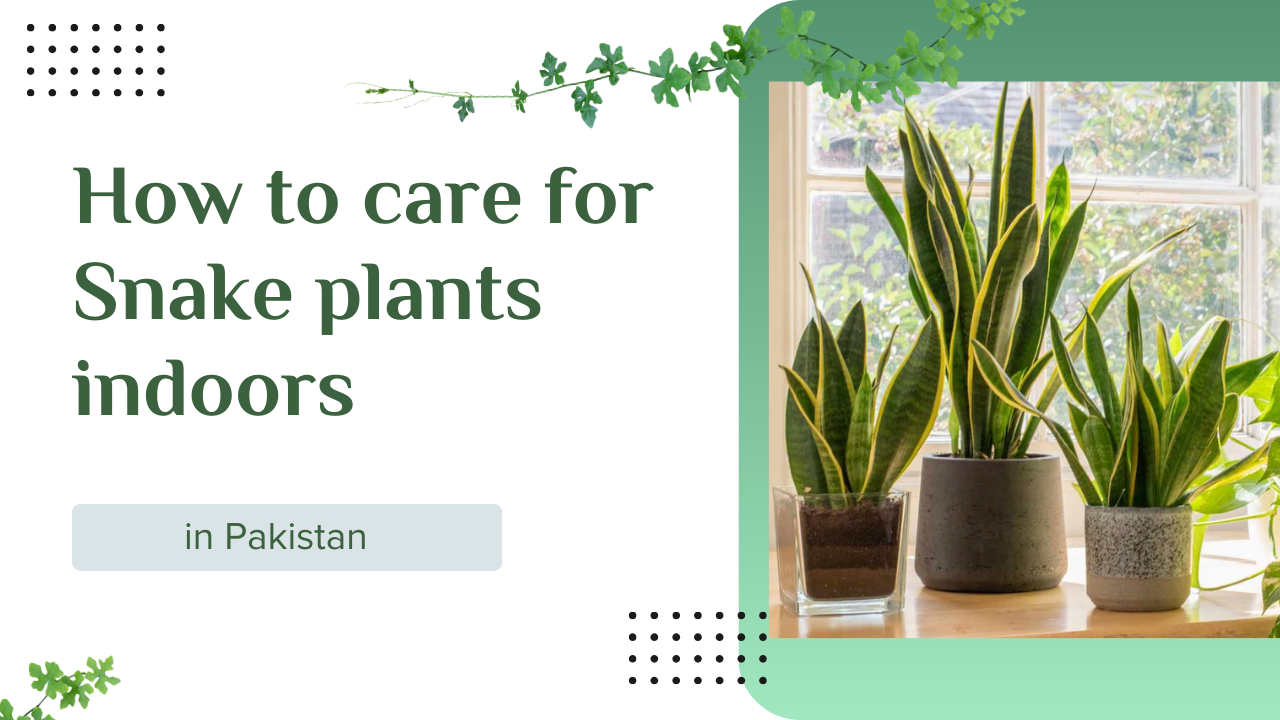

Caring for a snake plant indoors in Pakistan is simple and rewarding, making it a favorite choice for homes and offices. This hardy plant adapts well to Pakistan’s varied climate, from hot summers to mild winters, and thrives with minimal attention. Known for tolerating low light, snake plants are ideal for apartments and shaded rooms. Proper watering is essential, as overwatering can harm the roots more than dry soil. Understanding indoor temperature and humidity conditions helps keep the plant healthy year-round. If you want to enjoy its benefits, you can buy snake plants from local nurseries or online stores. With its strong air purifying qualities and modern look, the snake plant is perfect for busy plant lovers in Pakistan.
Light Requirements for Snake Plant Indoor Care
Snake plants prefer indirect sunlight indoors. However, they also tolerate low-light spaces. This quality makes them ideal for apartments. Homes with limited windows benefit the most. In Pakistan, strong sunlight enters many rooms. Therefore, filtered light works best for leaf health.
Place the plant near a window with curtains. East-facing windows are ideal. Direct harsh sunlight may burn leaves. Meanwhile, very dark rooms slow growth. Many homes with the benefits of indoor plants in Lahore use snake plants in hallways successfully.
Watering Schedule for Snake Plant Indoors
Watering plays a major role in snake plant indoor care. This plant stores water in its leaves. Therefore, frequent watering causes root rot. In most Pakistani homes, watering once every ten days works well. During winter, watering once every three weeks is enough.
Always check soil dryness before watering. Insert a finger into the soil. If the soil feels dry, then water slowly. Humid cities like indoor plants Karachi need extra care for indoor plants. High humidity increases the risk of overwatering.
Best Soil Type for Snake Plant Indoor Pot
Well-draining soil keeps snake plants healthy. A cactus or succulent mix works best. Soil must allow water to flow easily. Heavy garden soil traps moisture and harms roots. Adding sand improves drainage quality.
Choose a proper snake plant indoor pot with drainage holes. Clay pots dry faster than plastic ones. A good indoor planter prevents water buildup. Soil quality directly affects plant lifespan.
Common Problems in Snake Plant Indoor Care
Yellow leaves often signal overwatering. Soft leaves also indicate root damage. Brown tips appear due to dry air or excess fertilizer. These problems are common but manageable. Correcting watering habits fixes most issues.
Pests rarely attack snake plants indoors. However, mealybugs may appear sometimes. Clean leaves with a damp cloth. Use mild soap and water if needed. Healthy airflow prevents fungal problems.
Snake Plant Indoor Care Comparison Table
| Care Factor | Ideal Condition | Common Mistake |
| Light | Indirect sunlight | Direct harsh sun |
| Water | After the soil dries | Frequent watering |
| Soil | Well-draining mix | Heavy garden soil |
| Pot | Drainage holes | No drainage |
Final Thoughts on How to Care for Snake Plant Indoors
Learning how to care for snake plants indoors is simple. Follow basic light, water, and soil rules. This plant rewards minimal effort. It suits busy lifestyles perfectly.
Snake plant indoor care supports healthy living. It enhances décor and air quality. Many people choose it among indoor plants. Start with one plant today and enjoy long-term benefits.
FAQs
How much light does a snake plant need?
A snake plant needs bright, indirect light for healthy growth. However, it can also adapt to low light conditions. Avoid placing it in direct sunlight, as strong rays can burn the leaves. Filtered indoor light works best for long-term plant health.
Can snake plants survive low light?
Yes, snake plants can survive in low-light areas. They grow slowly in such conditions but remain healthy. This makes them ideal for bedrooms, offices, and hallways. For better growth, occasional exposure to indirect sunlight is helpful.
Is the snake plant toxic to pets?
Yes, snake plants are mildly toxic to pets if ingested. They may cause nausea, vomiting, or drooling in cats and dogs. It is best to place the plant out of reach of pets to ensure their safety.
How often should you water a money plant?
Water a money plant once every 7–10 days. Let the topsoil dry before watering again. Overwatering can cause yellow leaves and root rot, especially indoors.