
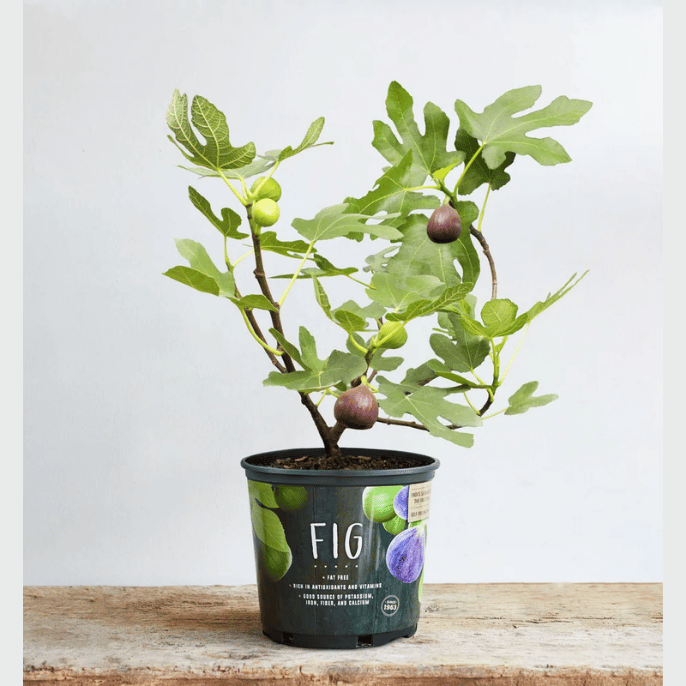
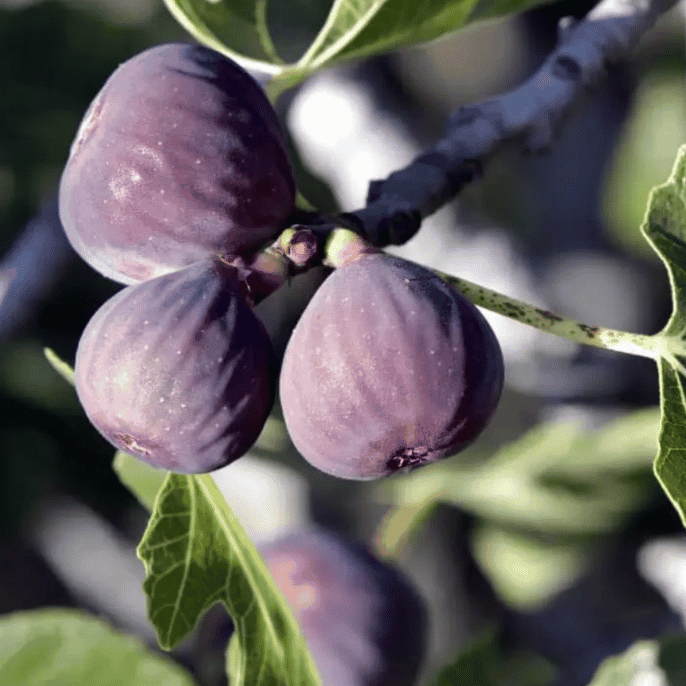
The Turkish Anjeer plant in Pakistan is a highly valued fruit plant. It produces sweet and nutritious figs. Moreover, it grows well in warm climates. Gardeners prefer it for home and commercial farming. In addition, it offers high yield with proper care. Therefore, it has become popular in many regions. Its fruits are rich in fiber and minerals. As a result, it supports healthy digestion and immunity.
What is Turkish Anjeer Plant?
The Turkish Anjeer plant is a fig variety. It belongs to the Ficus carica family. However, it is known for its larger and sweeter fruits. Furthermore, it adapts easily to different soil types. It grows well in pots and gardens. In contrast to other varieties, it produces multiple harvests in a year. Thus, it is a profitable fruit plant for growers.
Ideal Climate for Turkish Anjeer Plant
This plant thrives in warm and dry climates. However, it can also tolerate mild cold weather. Additionally, it needs full sunlight for healthy growth. Without enough light, fruit production reduces. Therefore, sunny locations are best for planting. Moreover, good air circulation improves plant health. As a result, diseases remain under control.
Soil Requirements and Preparation
The Turkish Anjeer plant prefers well-drained soil. Sandy loam soil works best for its growth. Furthermore, the soil should be rich in organic matter. Before planting, mix compost for better results. In addition, ensure proper drainage to avoid root rot. Consequently, healthy roots support strong fruit production.
Watering Needs of Turkish Anjeer Plant
Proper watering is essential for this plant. However, overwatering can damage roots. Therefore, water only when soil becomes dry. During summer, frequent watering is required. In contrast, winter needs less water. Moreover, drip irrigation works best for steady growth. As a result, the plant remains healthy and productive.
Fertilizer and Nutrient Management
The Turkish Anjeer plant needs balanced nutrients. Organic fertilizers improve fruit quality significantly. Additionally, compost enhances soil fertility. During growth stages, nitrogen-rich fertilizer supports leaves. Meanwhile, potassium improves fruit development. Therefore, regular feeding increases yield. Furthermore, applying fertilizer every two months is ideal.
Pruning and Maintenance Tips
Pruning helps maintain plant shape and size. Moreover, it encourages new branch growth. Remove dry and weak branches regularly. In addition, pruning improves sunlight exposure. Consequently, fruit production increases. Always use clean tools to avoid infections. Therefore, proper maintenance ensures long-term plant health.
Pest and Disease Control
The Turkish Anjeer plant may face pests like aphids. However, organic sprays help control them. Additionally, neem oil is very effective. Fungal infections can also occur in humid conditions. Therefore, avoid excessive moisture around roots. Moreover, regular inspection helps early detection. As a result, plant damage can be minimized.
Growth and Harvesting Period
This plant grows quickly under ideal conditions. Generally, it starts producing fruits within one to two years in Pakistan. Moreover, harvesting occurs multiple times annually. Ripe figs become soft and sweet. Therefore, timely picking improves fruit quality. In addition, careful harvesting prevents branch damage.
Benefits of Anjeer Plant
The Turkish Anjeer plant offers many health benefits. First, it improves digestion naturally. Second, it supports heart health. Furthermore, it helps control blood sugar levels. Additionally, figs are rich in antioxidants. As a result, they boost overall immunity. Therefore, this plant is both nutritious and valuable.


Reviews
There are no reviews yet.